Oki Yoga with Yuji Oishi

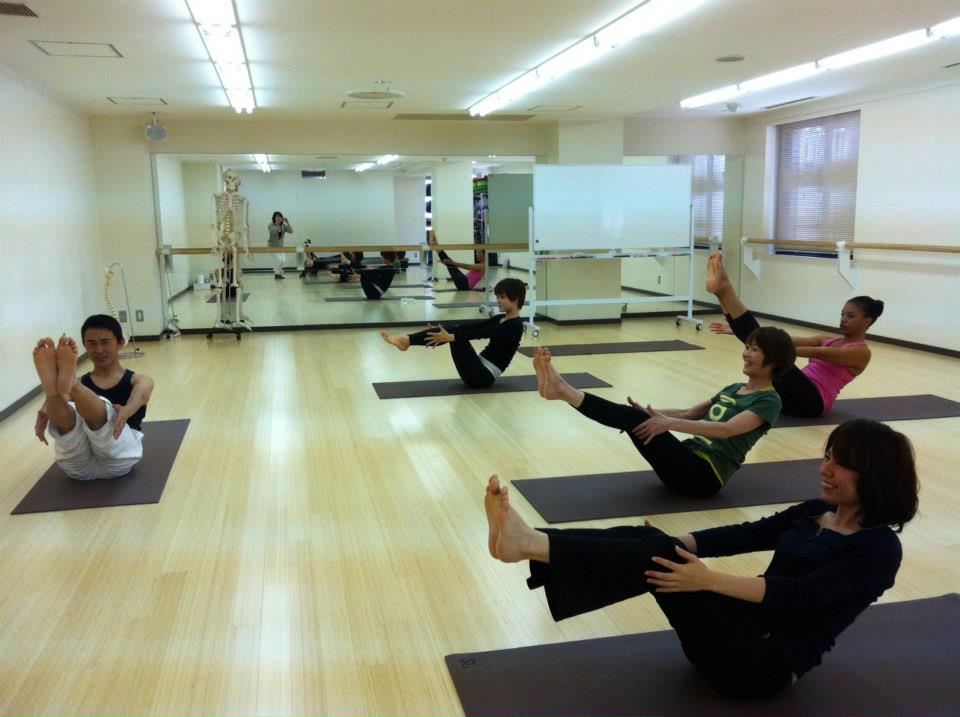
Yuri Oishi, Oki Yoga

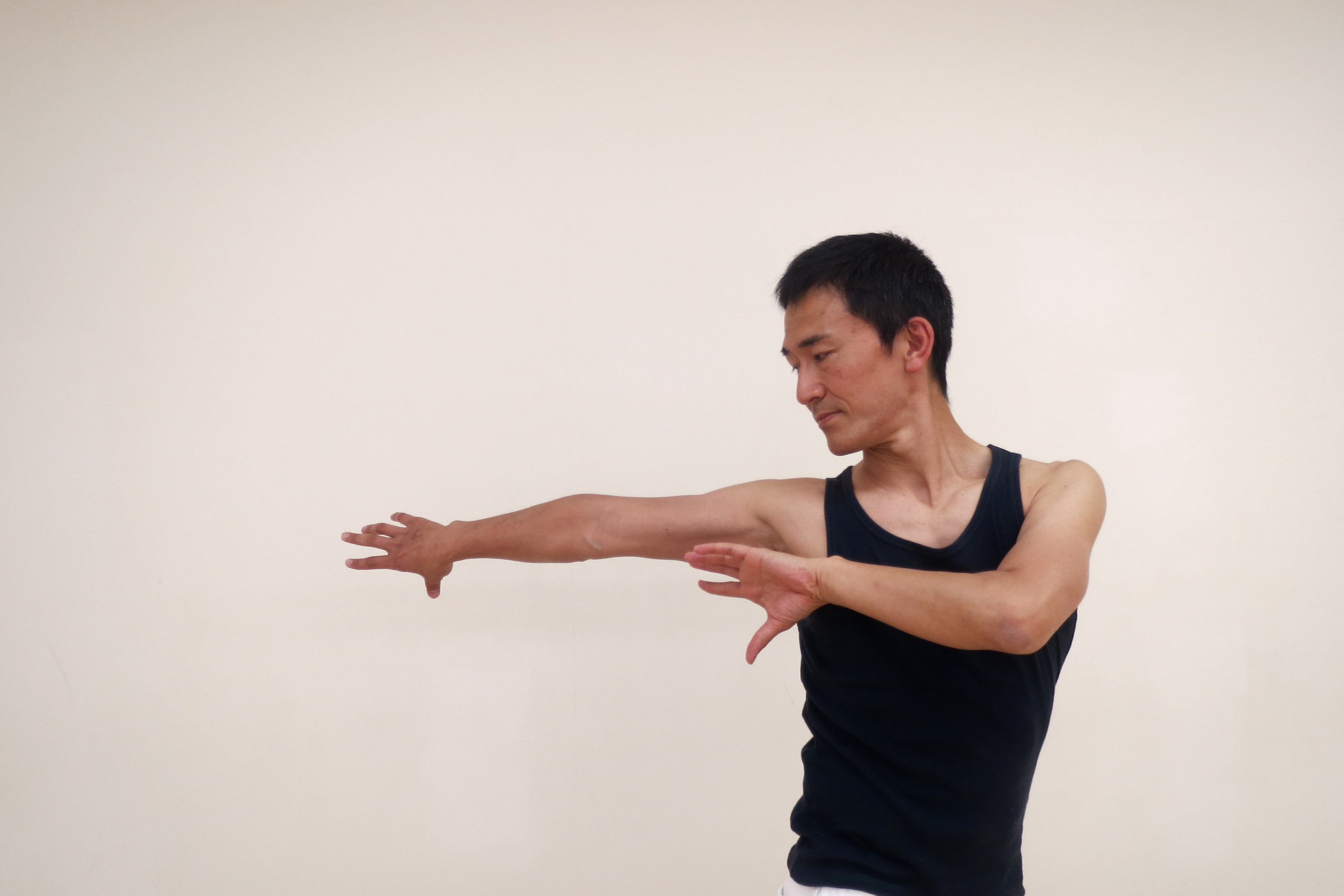
Yuji Oishi


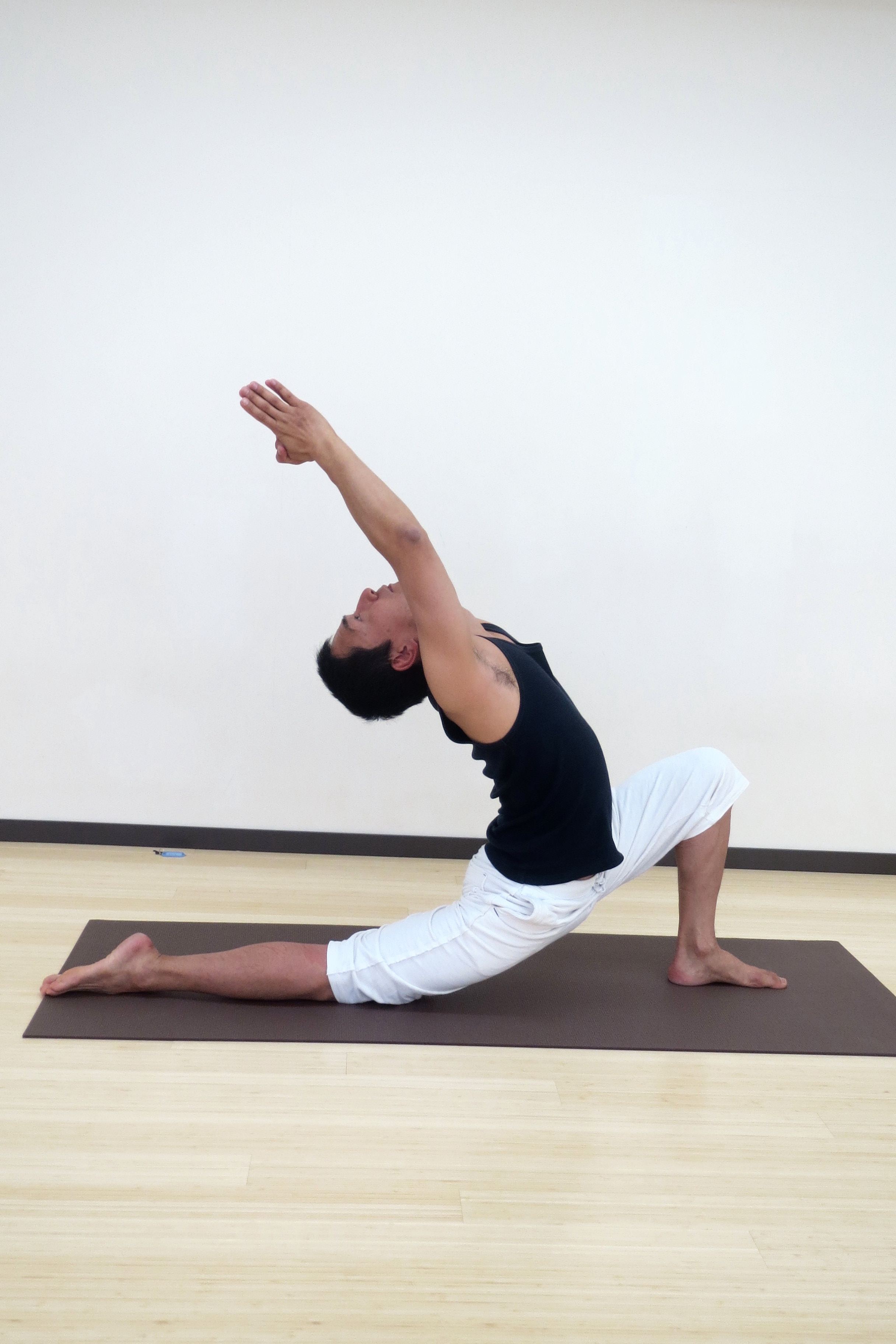
Yuji Oishi, CrescentYuji Oishi, Eka Pada Rajakpotasana

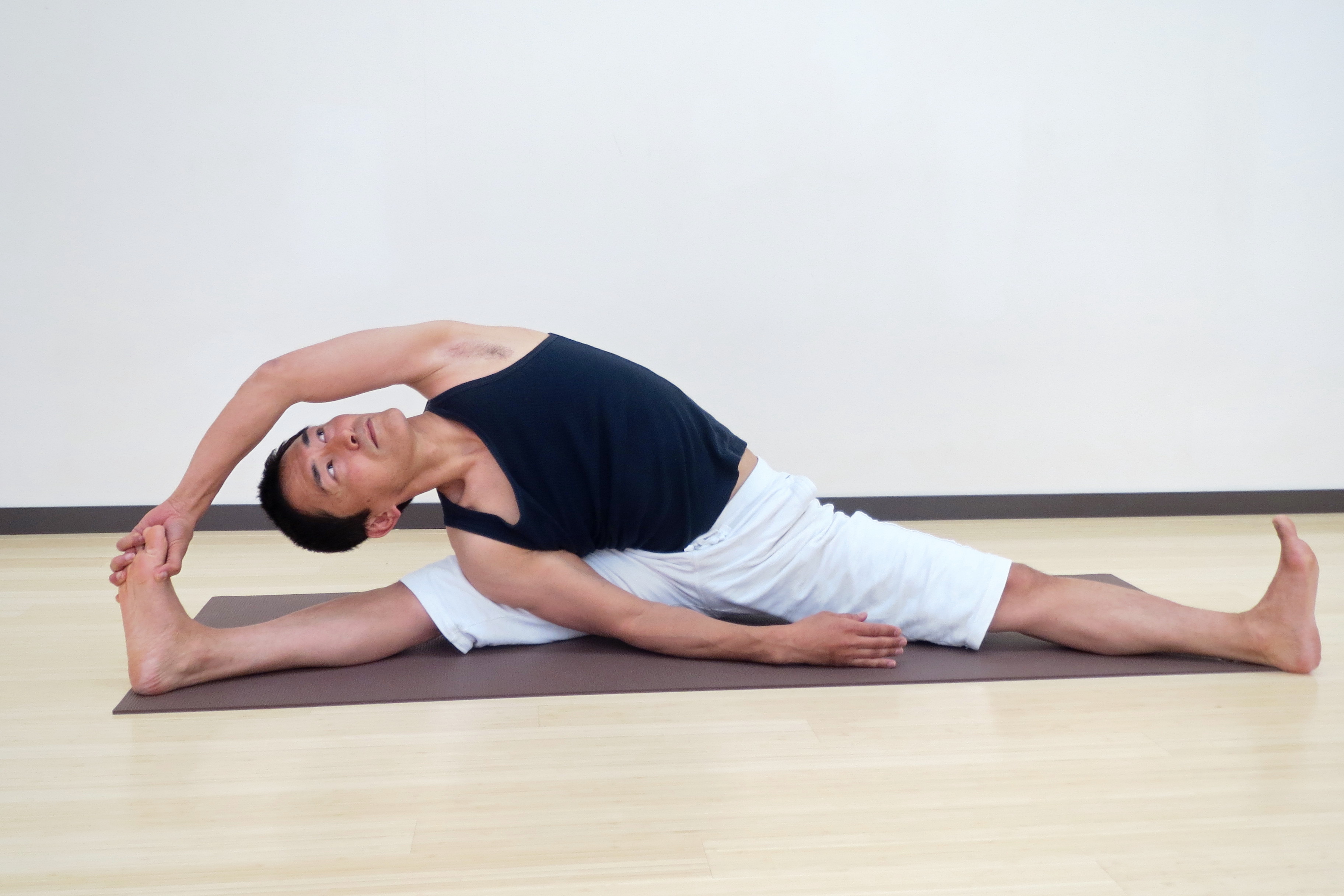
Yuri Oishi, Upavistha Konasana Variation


Some of the Yoga Plus teachers mentioned Oki Yoga in the studio one day. Their descriptions of this traditional Japanese style of yoga sounded intriguing to me.  Oki–“Do”—“path, or way of searching for truth in life,” was developed by Master Masahiro Oki, who was influenced by many different disciplines and religions—eastern & western–including Hatha Yoga, Yin-Yang Chinese philosophy & Japanese Zen traditions.

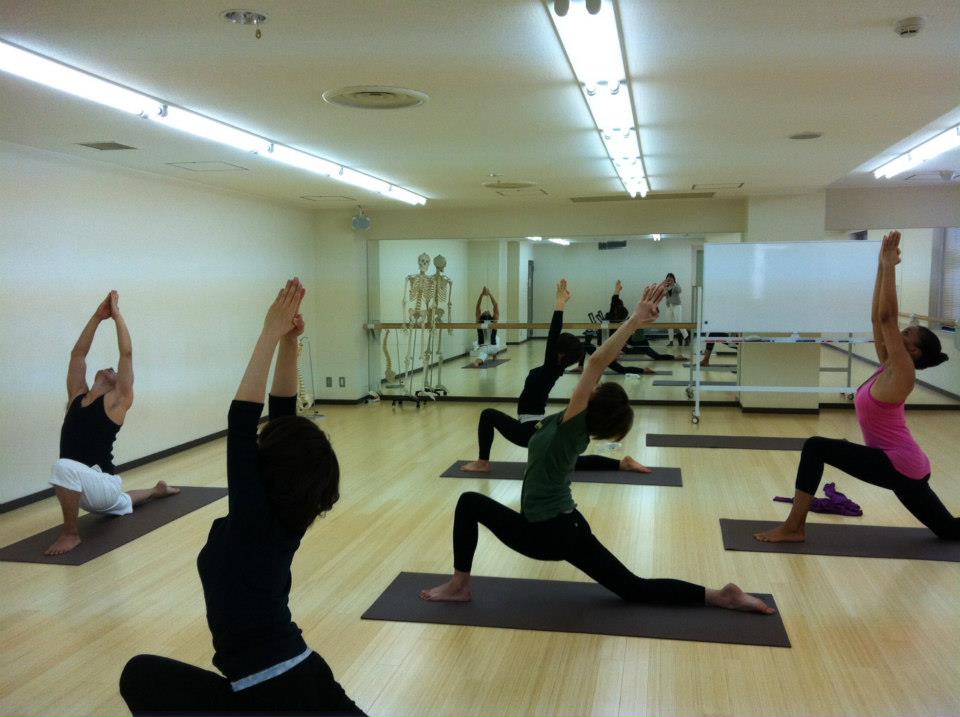
I finally had an opportunity to attend a private class at the BMSI in Gotanda earlier this week.  Yuji Oishi,  who teaches regular classes at Oki Yoga in Tokyo, led us through a two-hour practice. We started with traditional Oki Yoga breathing movements that were synchronized with a series of spinal rotations and shoulder openers. The practice progressively moved from rhythmic and dynamic standing to seated asanas, addressing every part of the body from head to toe. We gradually worked our way into Eka Pada Rajakpotasana.  Although I have very tight hips, I was able to get deeper into this pose than usual without props!  In fact, props are not used and nor does the practice focus on alignment. Instead, the emphasis is placed the release of muscle tension through expansive, flowing transitions.  In addition, periodic parts of the practice also included light self-massage to the feet, chest, shoulders and after savasana, the scalp and face. In some ways, I was reminded of Viniyoga, Yin and perhaps Tai Chi.
575564_371554476298211_989280935_n945732_371554489631543_1298805651_n923432_371554486298210_210012646_n

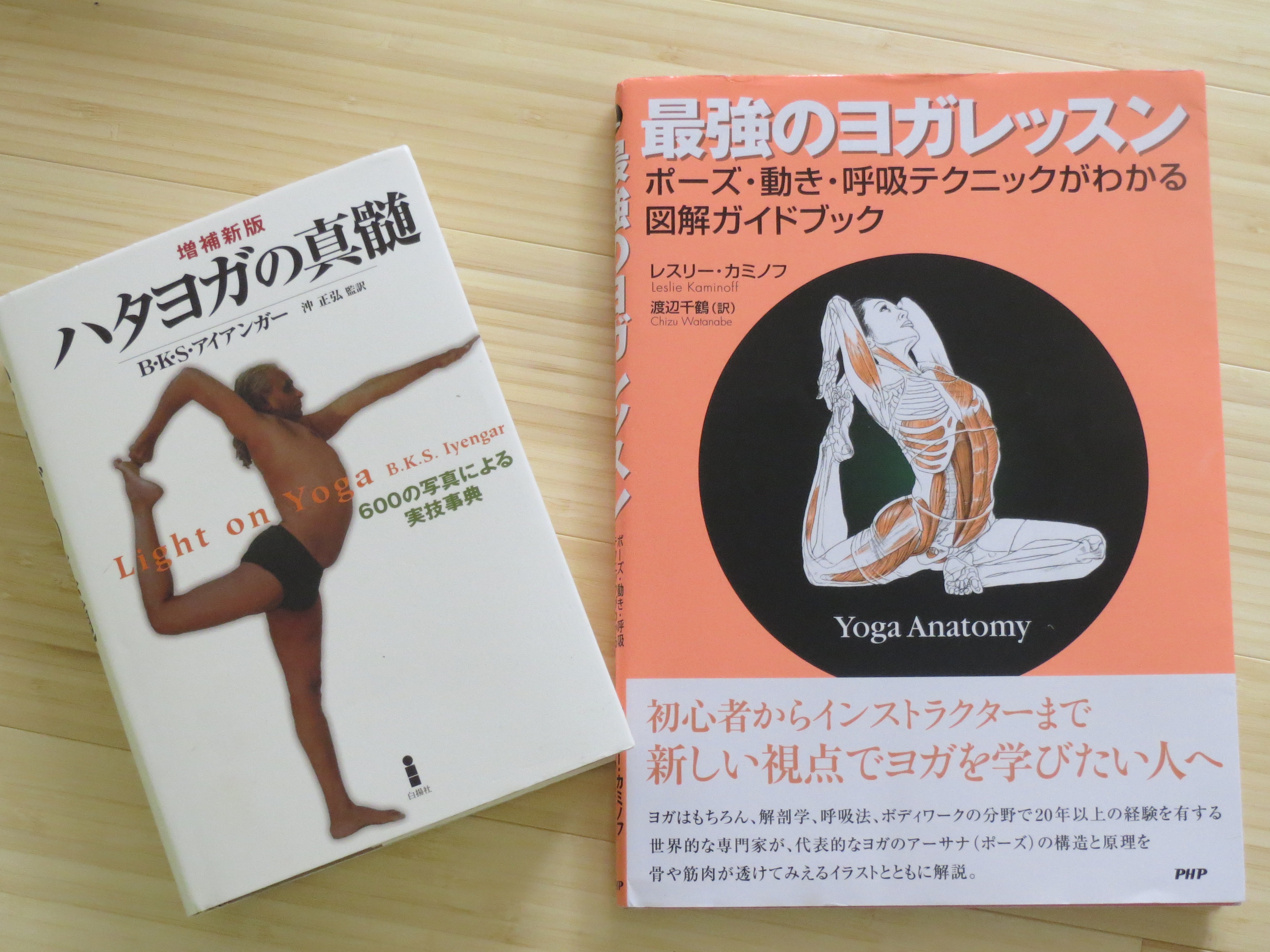
Yuji Oishi was an impressive teacher who’s body had a notable balance between strength and flexibility (evidenced in the photos above).  He said that the overall philosophy of Oki Yoga is not only for body and mind, but, for the whole life– “Total Life Yoga.”  Yuji also pointed out that Master Oki translated B.K.S. Iyengar’s renowned book, “Light on Yoga” into Japanese, which is now being used in our teacher training.
IMG_0403

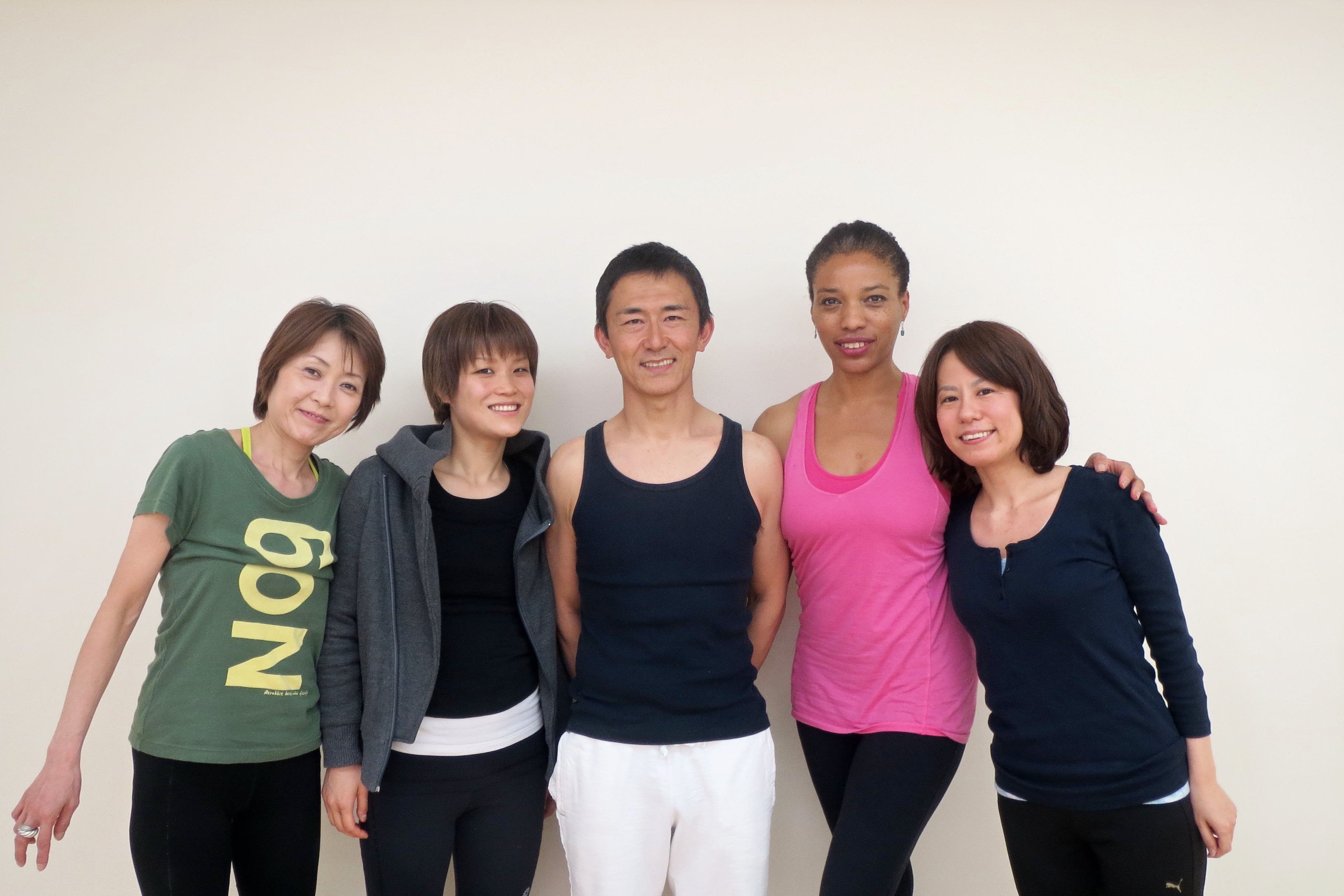
Overall I found the class experience grounding, meditative and calming.  After the practice, I actually felt “re-aligned” and had a sense of physical spaciousness while walking around later that day.
http://okiyoga.com

After Class with Yuri Oishi

Ryusenji Temple (Meguro Fudon) with Sachiko Inomata

This slideshow requires JavaScript.

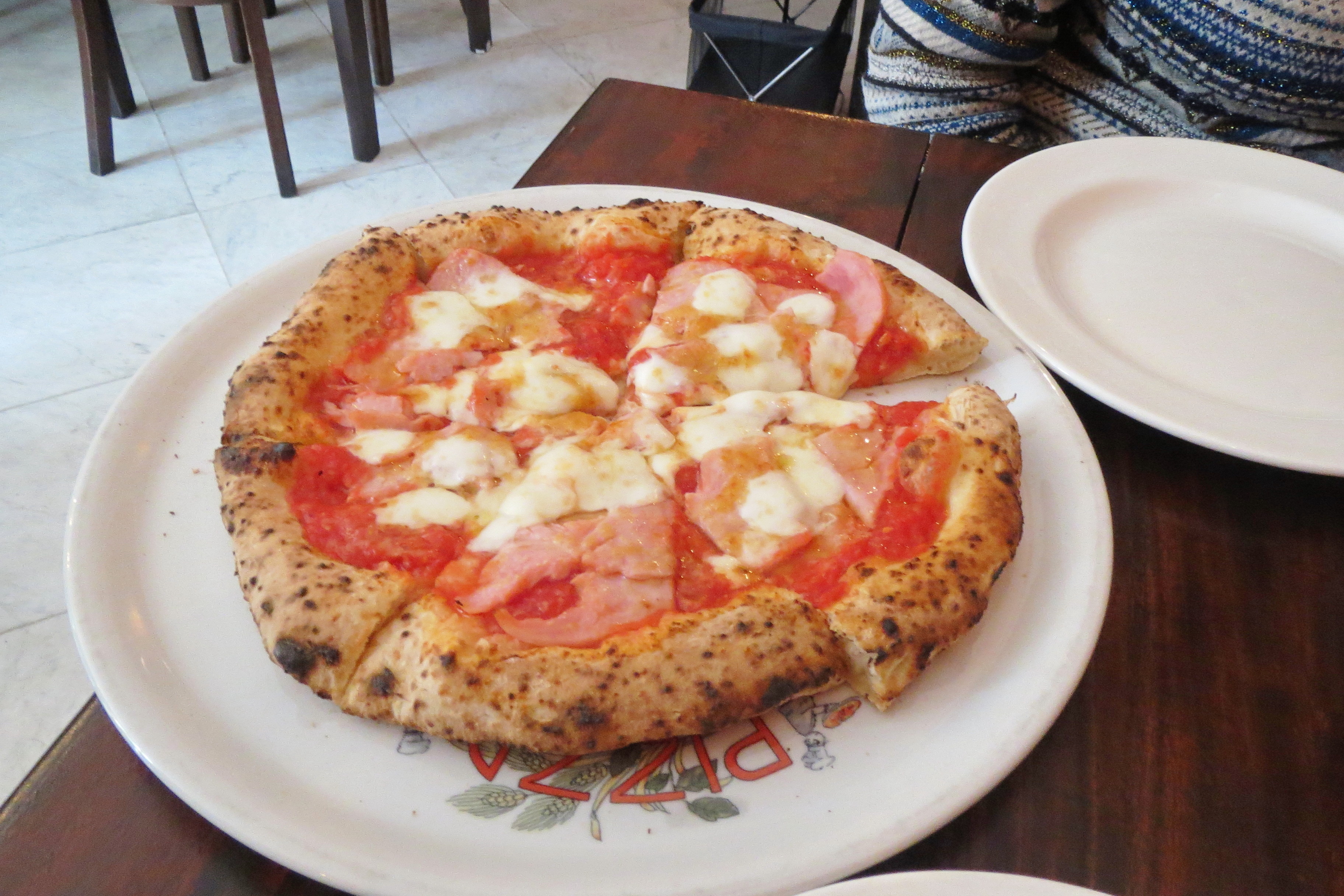
One day after at the Yoga Plus studio in Gotanda, Sachiko Inomata offered to take me to lunch and off we went by cab to an Italian restaurant in nearby Meguro.  Italian food is very popular in Japan and Sachiko said that the pizza was especially great here. She was right; we enjoyed light, fluffy pizza topped with the freshest ingredients made in a brick oven before our eyes.

Salads before pizzaPizza in TokyoRomy in front of the brick oven

Sachiko suggested we make a quick visit to see a temple in this quiet neighborhood.  We walked for about a mile and came upon the Ryusenji Temple (Meguro Fudon).  I’ve seen at least eight temples or shrines during my visits to Japan and marvel at the fact that no two are exactly alike.  I later found out that the temple’s grounds were designated in 808 a.d. by a Buddhist missionary, “Jikaku Daishi Ennin” and since then, “divine water” has been flowing from this spot for over 1200 years.   A statue of Fudo (God of Fire) is placed in a fountain of water, which is said to have healing properties. It is customary to splash water on Fudo before moving forward.

Ryusenji Temple is nestled deep within a “village-like” neighborhood in the middle of bustling Tokyo. The rambling temple grounds have a rustic naturalness with a liberal mix of fountains; ornamental, mythical and sacred statues including a great bronze Buddha behind the temple that Sachiko said had a “Japanese” face.  After cleansing our hands, mouths and taking off our shoes, we were able to visit the lavishly impressive ornamental altar inside the temple, but no pictures were allowed.  The best I could do was to zoom in and capture an image from the doors of the entryway.  I was also instructed on the process of lighting a bundle of incense to place in a bronze urn outside as an offering in prayer. It was nice to have someone highlight traditional rituals that are a mystery to a westerner like me.

Meguro Fudon seemed especially intimate since there were very few people there.  In fact, I had no idea that this compound was within a couple of miles walking distance from where I’m staying in Gotanda.  Sachiko told me that sometimes she comes to the temple at sunrise when the city is quiet and the air is fresh.