The Train to Yokohama

I taught in Yokohama two evenings a week during the month of April.  This journey would usually generate slight panic as I traveled far away from my familiar environment in Tokyo on a fast-moving express train packed with commuters.  On my first trip there, Chinatsu Ito, a bright and talented student in my Teacher Training and teacher at Yogaplus, led me–through a maze of stairs, escalators and tracks, starting with the JR Yamanonte Line in Gotanda, then changing trains in Shinagawa for the rapid Tokaido Line to Yokohoma.  Once we finally reached our destination, Chinatsu gave me more instructions directing me to the studio on a hand drawn map then left me with these parting words… “don’t get lost!”
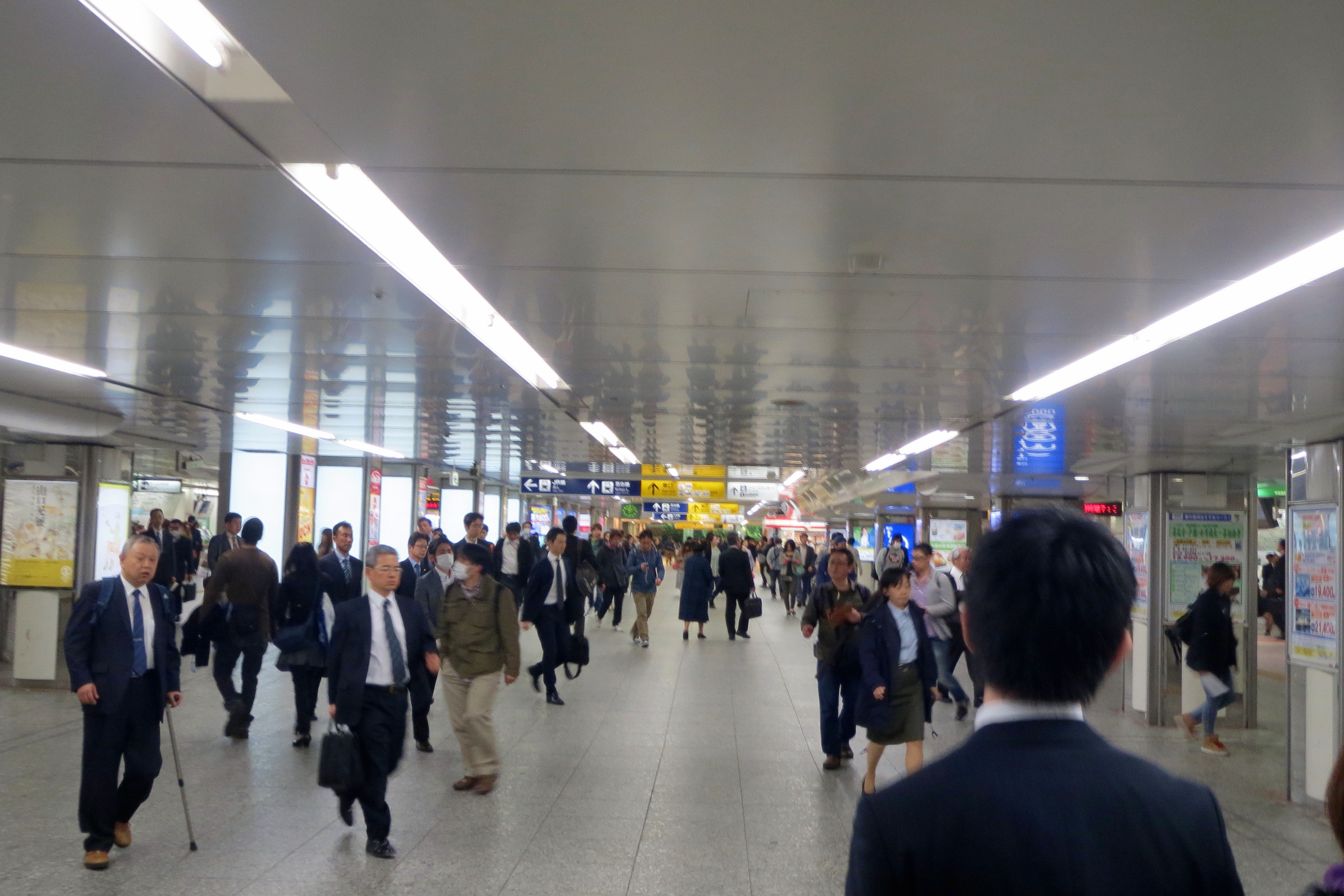
Yokohoma Station, 10p.m.

Each of these massive subway stations—Shibuya, Shinjuku, Shinagawa, or Yokohama, are entire macrocosms overflowing with stores, restaurants, stalls for every type of goods, and throngs of people moving at a frenetic pace, never seeming to slow down. The surrounding areas outside of the ungainly Yokohama station were flanked with monolithic department stores, intimidating in scale and densely occupied by hordes of people.

Yokohoma a marine city with a busy port, is the second largest metropolitan area in Japan.  The city has a long history of foreign trade, primarily with Great Britain; immigration from China and Korea; and occupation by Americans after WW II.  I didn’t have a chance to see the greater metropolitan area or those that reflected distinct Western influences, but did manage to get to the “dazzling” Chinatown which will be highlighted in the next post.

Yogaplus in Yokhoma is an inviting place with a great group of students who were always fun to teach.  The studio is managed by  the gracious and energetic Kosai Kato who was also my translator for classes in 2012 and the 2013 TT.  Once I made the long journey to the studio, I always felt at home.

A Nice Welcome at Yokohama

One of the students, Yoko Ito, would occasionally walk me to the train station after class, pointing out a wonderful bakery in the subway that would mark down their goods just as I was heading home around 9pm.  I would buy an assortment of tasty bread and pastries to get me through the weekend and catch the train and make it back to Gotanda around 10pm.

Art on the Tracks…

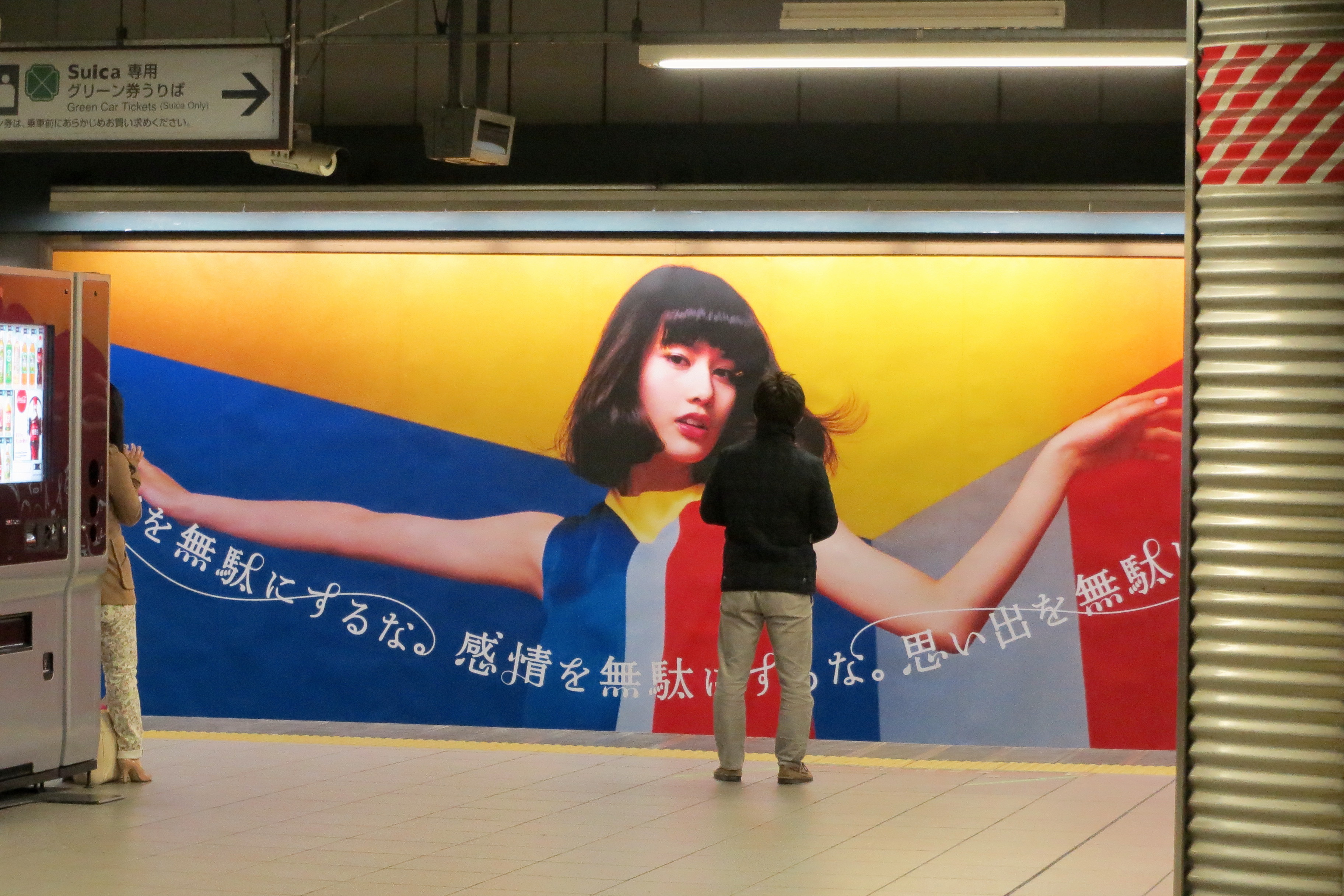
Primary Colors, Ebisu Station

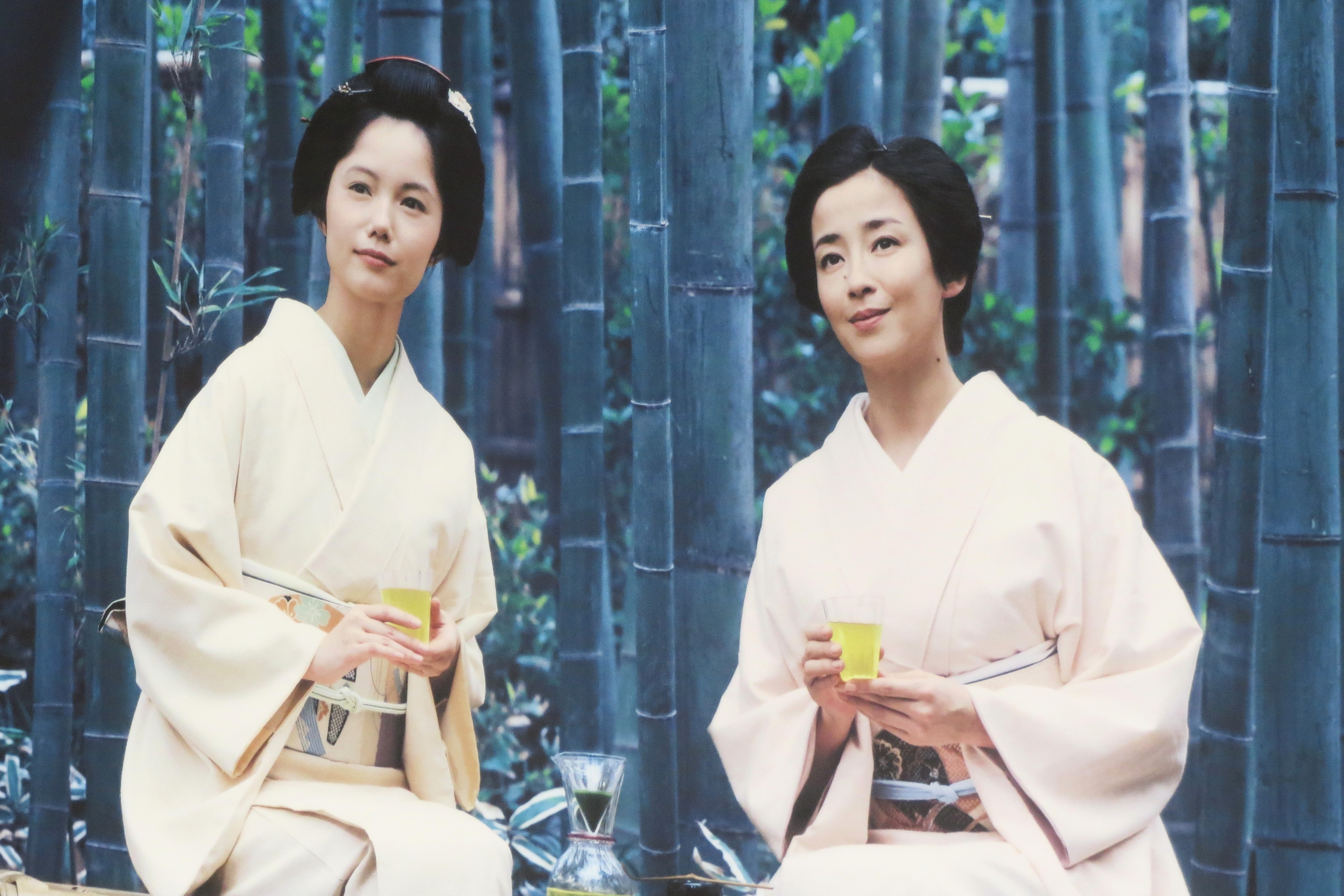
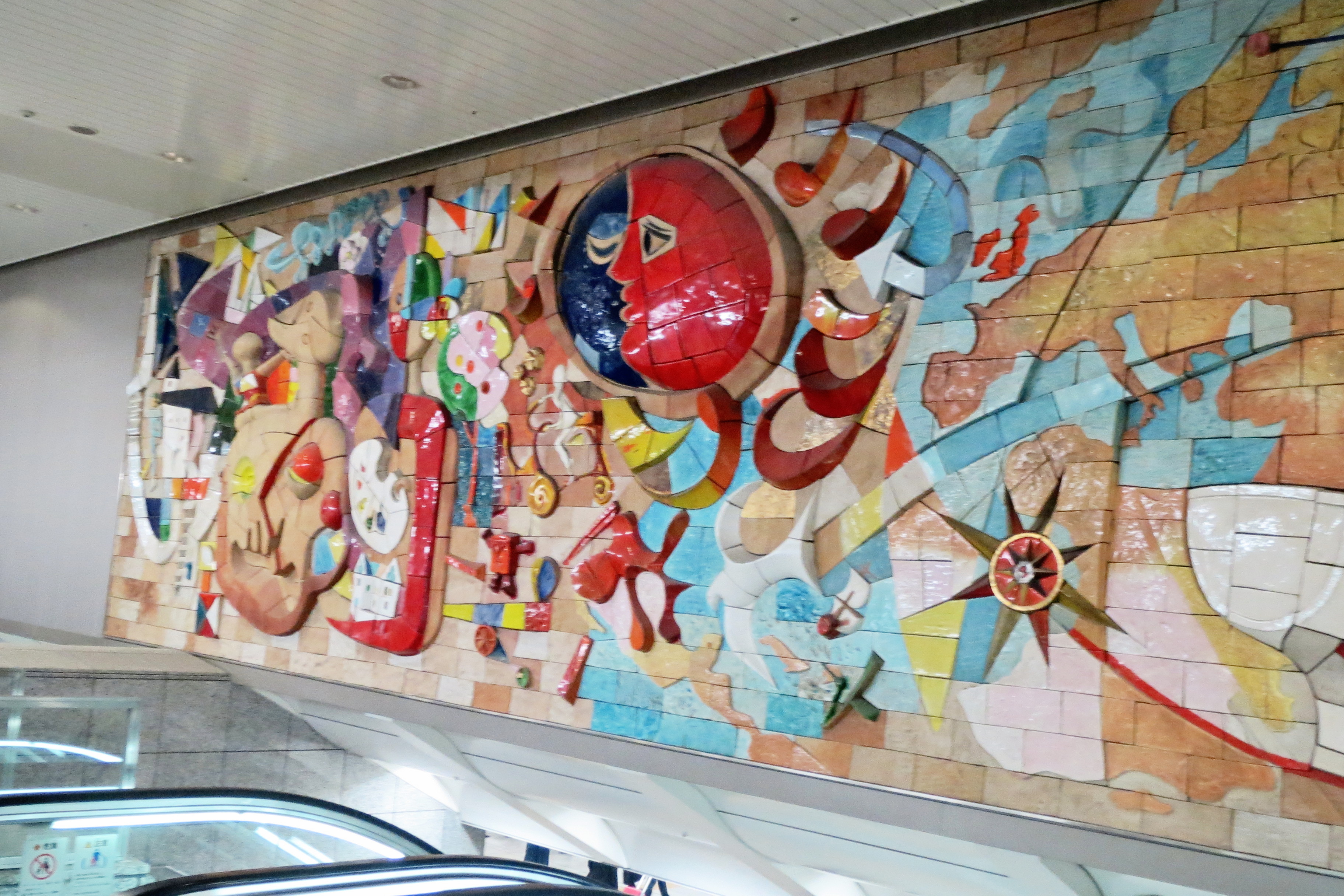
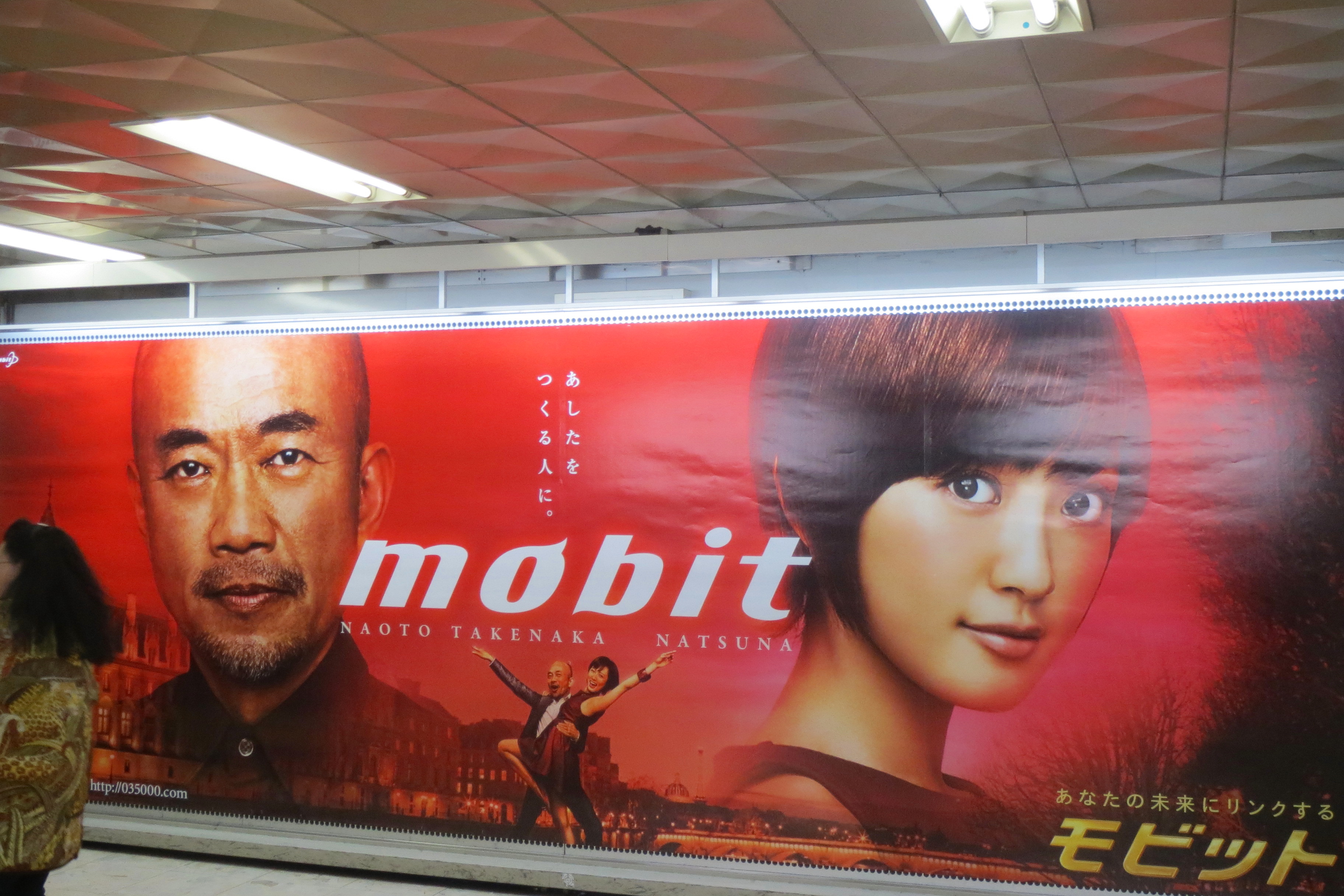
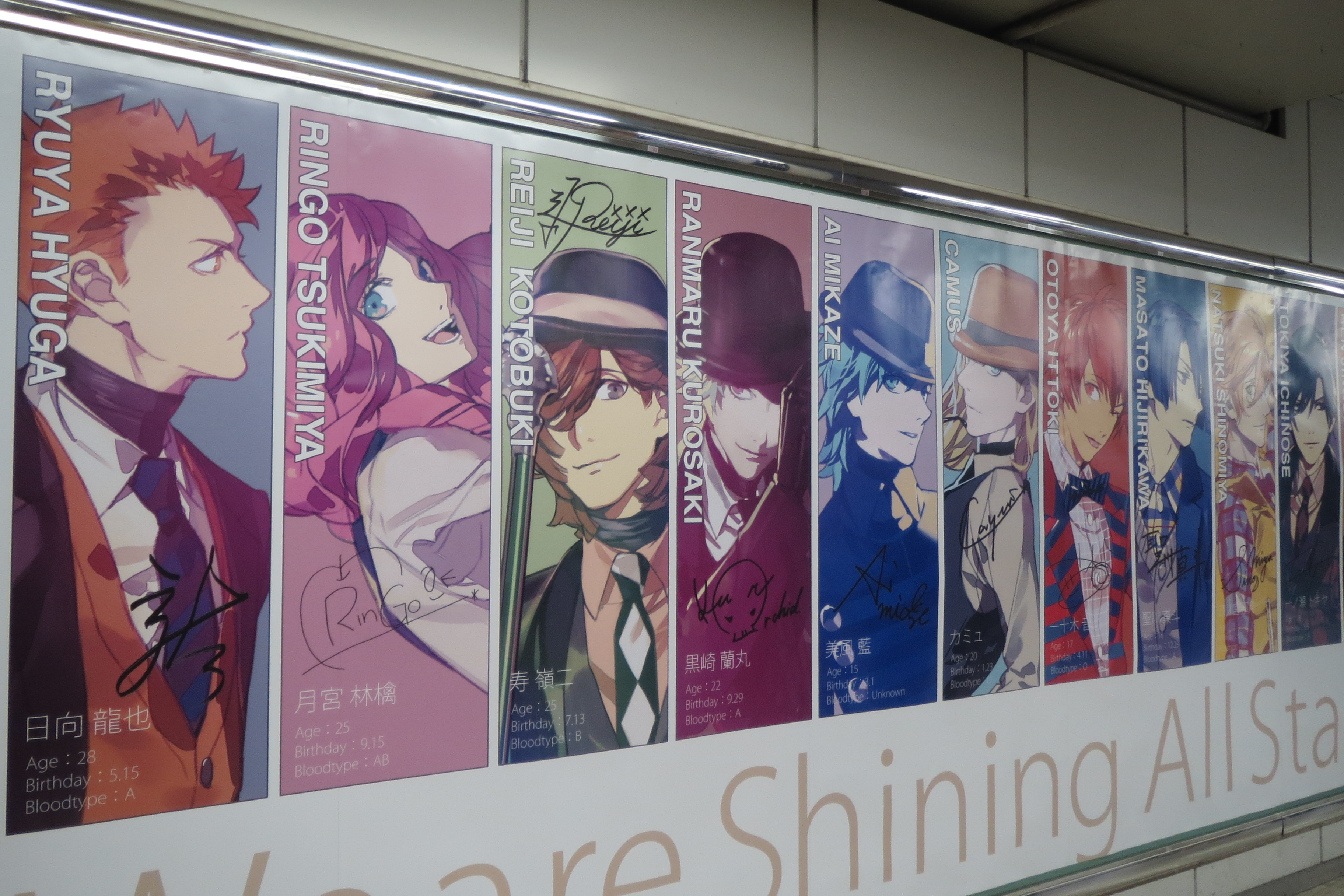
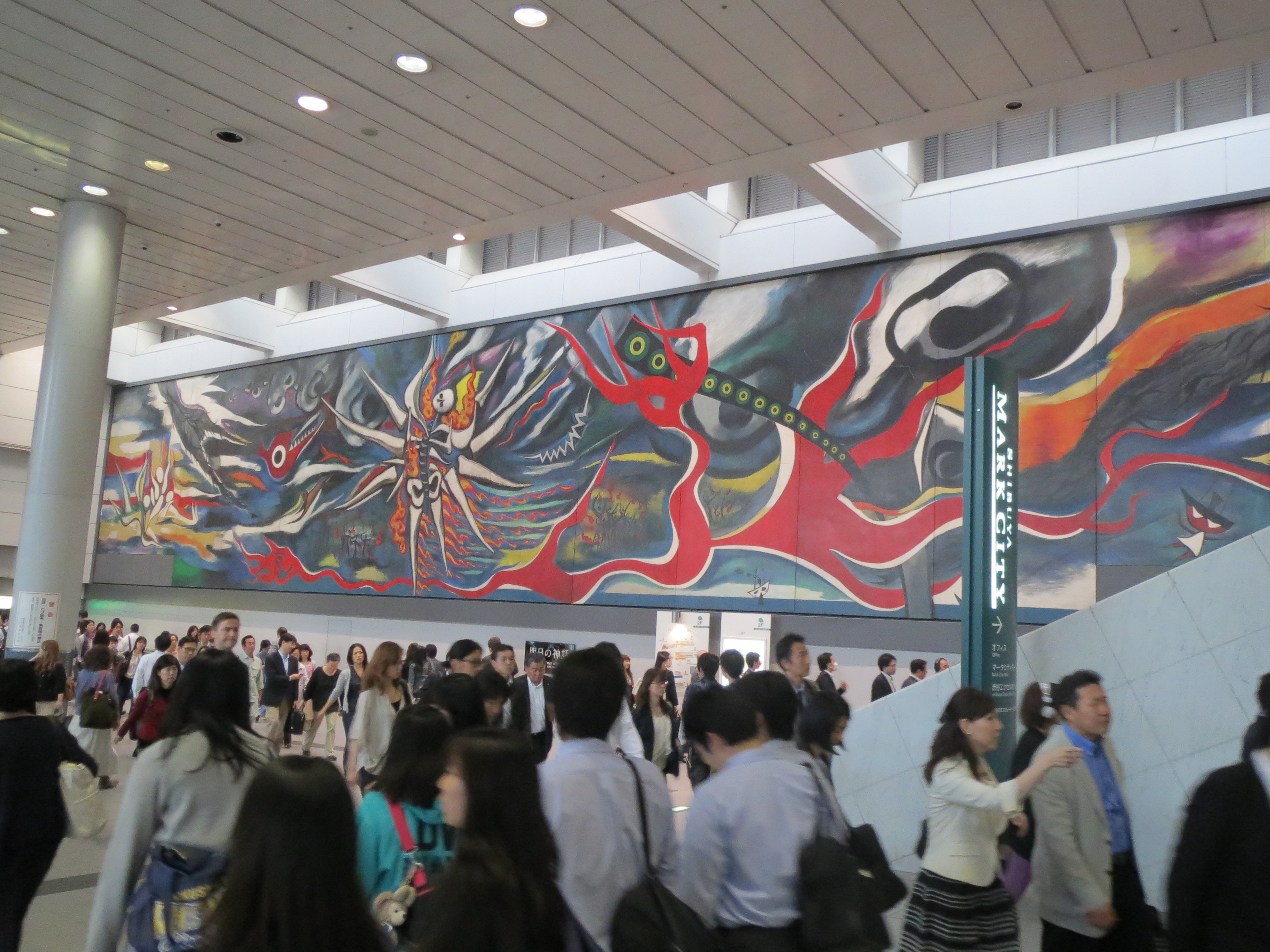
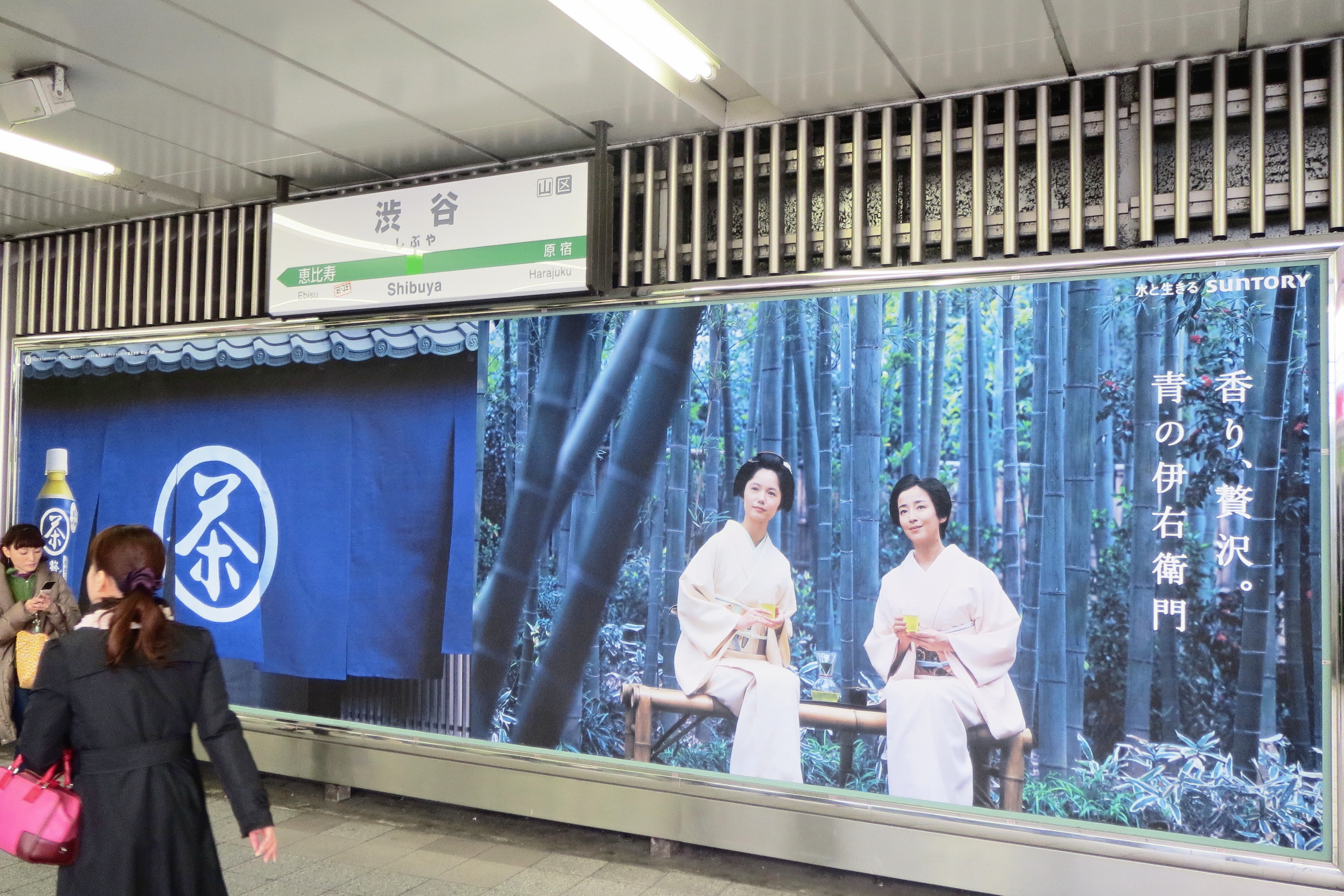
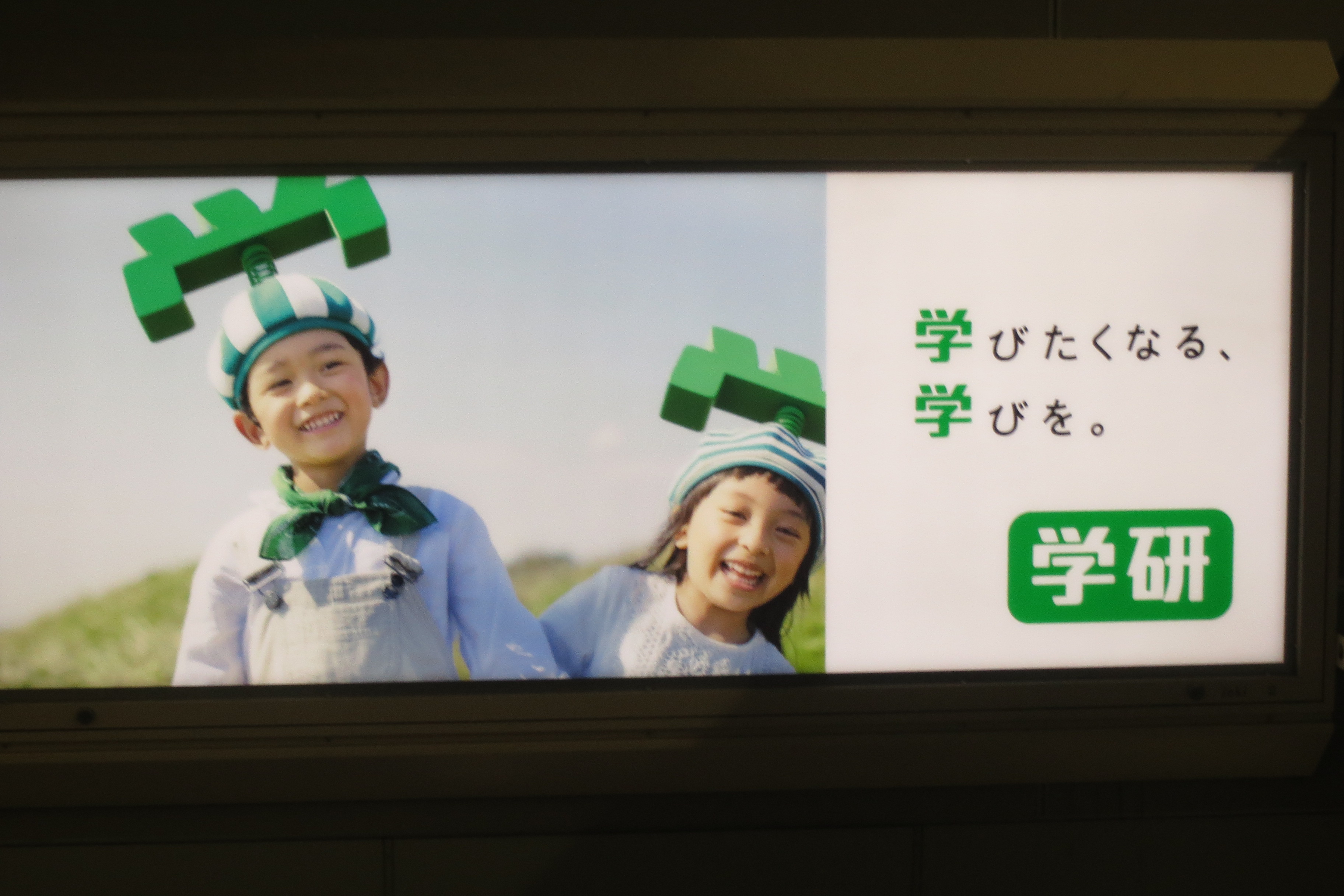
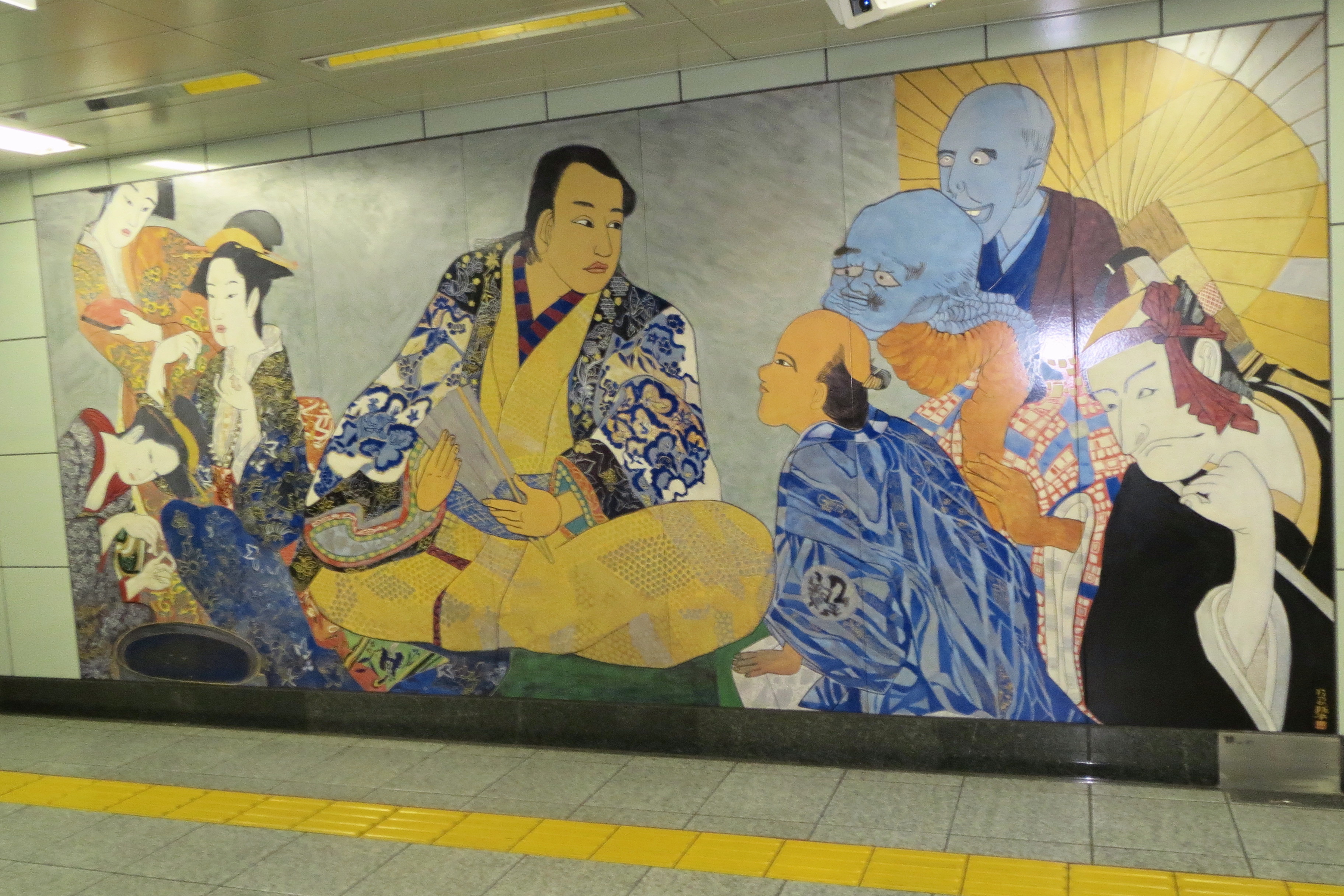
As I traveled on the subway to and from classes daily,  I would be entertained by the bold, colorful ads that adorned the billboards. Amusing or seductive large-scale photos, exquisitely lavish mosaics and dynamic painted murals– intended to captivate the masses and make an arduous routine more pleasurable. Here are some of eye-catching images I captured while gliding swiftly along the tracks or waiting on a crowded platform.

Blue Bamboo

Great Mural at Yokohama Station

Mobit ad, Shibuya Station

IMG_1608

IMG_0584


IMG_2786

Yellow Mural, Tukiji Mkt

Eating in Tokyo: Favorite New Foods From Adzuki Beans to Wakame

Japanese food is quite delicious, but figuring out what to eat in a restaurant or purchase in a grocery store, can be quite daunting, especially since the language presents a barrier that makes selecting food purely a visual choice.  However, I was a bit more daring with my culinary experiments this time. People often ask me what I ate in Tokyo–always assuming lots of sushi. I tell them “no,”  in fact,  what’s commonly eaten isn’t what most Westerners think. There are so many clichés about Japanese food and so much to learn and discover.  I came to realize that you will consume copious amounts of  bean curd in hundreds of dozens of forms; soba and udon noodles; miso and fermented foods; a myriad of things from the sea including fish, sea urchins, seaweed and many things I’ve never seen before; adzuki beans and lots of raw and cooked vegetables  and eggs.  I was also surprised to see a proliferation of coffee shops around the city and that tea is consumed privately at home.

Nevertheless, I developed a taste for some dishes, which became some of my favorite new foods.  At home I routinely prepared: raw or cooked cabbage with vegetables and black sesame seeds, sprouts, topped with bonito flakes and sesame dressing.  Additionally, a savory barley miso, was the base for soup I made almost every day with seaweed.  Soba noodles were consumed on an almost daily basis, but I particularly liked a lunch of cold udon noodles with sesame dip and a side dish of crispy chicken.  Colorful bento boxes  filled with a variety of small bites could always be bought daily in the grocery store.

Furthermore, Japanese curry is fantastic– fragrant and rich with flavor and hints of chocolate, leaving a delightful taste that lingers on the palate for hours.  I fell in love with all things matcha, from lattes to Meji Matcha ice cream.  Sumptuous fanciful deserts with a french flair, were a regular indulgence, as well as, tempura lunch specials.  I even tried to acquire a taste for Natto (pungent, fermented soy beans), but not sure if I ever will.

Overall, the cuisine is very healthy and remarkably good for my body–I slimmed down effortlessly and many persistent aches and pains subsided.  I’ve discovered through some research, that many of the foods have anti-inflammatory properties.  I always come back from Tokyo feeling and looking younger and physically lighter and hope that I’ll be able to take a cooking class on a future occasion. Meanwhile, although its difficult to replicate Japanese cuisine, I do my best to keep up with my Japanese diet while here in Los Angeles.