Ceremonial Hanami at Shinjuku Gyoen

This slideshow requires JavaScript.

The serene setting of Shinjuku Gyoen offered a contemplative viewing of Hanami. The Imperial Gardens completed in 1906, was once the residence of the Naito family (daimyo) in the Edo period.  A very cold and cloudy day provided a dramatic backdrop as I roamed the vast park for over two hours touring approximately 145 acres of French Formal, English Landscape and Japanese Traditional gardens.   Overall, this venue had a more serious tone, as there was no alcohol allowed on the premises and bags were inspected at the gate. The crowds were small in comparison to other locales and the sounds of the city seemed to disappear as one traversed the stately grounds of vast sweeping lawns, ponds, towering trees and interesting structures–wooden bridges, the Taiwan Pavillion,  a tea house and various stone reliquary statues.  With more space to spread their roots and branches, the sakura trees were impressively grand and enormous.  Shinjuku Gyoen has over 1,500 cherry trees featuring Shidare (Weeping Cherry), Somei (Tokyo Cherry), Kanzan (Cherry).  I also liked the visual contrast of the pale blossoms against the Himalayan Cedars and other vegetation which created a painterly impressionistic effect.

I strolled contentedly taking pictures until my fingers literally froze.  Eventually, a melodic tune played signalling all visitors to leave. I joined the quiet procession of departing visitors feeling very calm and refreshed.

Hanami Extravaganza: Meguro River

This slideshow requires JavaScript.

I was fortunate to be in Tokyo for  my first “Hanami” and the widespread festivities welcoming the spring season. The city was literally ablaze in a blizzard of pale pink  petals with celebrations escalating as the blossoms peaked. I was told that the short-lived, delicate “sakura” (cherry blossoms)  would be gone by the first rain. Although we were experiencing chilly, cloudy weather, I ran with camera in hand to prime spots that were suggested to me. I too got caught up in the festivities and the excitement visiting the Meguro River in Nakemeguro; Shinjuku Gyoen and Inokoshira Park–each site offering a unique Hanami experience.

Since the Meguro River offered the most fantastic blooms of these excursions, I thought it would be interesting to visit at night which I would find out later is referred to as “Yozakura,” night Hanami.  I was right, the sakura were just as spectacular with the heightened drama of the glowing lanterns strung along the river reflecting onto the branches and on the water below.  The walkways along the canal were teeming with an almost ritualistic procession of people. They spent continuous days and nights, strolling, taking pictures and enjoying treats from vendors who were selling food, drinks and glasses of rose champagne.

I took so many pictures that I decided to present my Hanami experience in three parts to retain the mood of each setting.

Early Stages of the Teacher Training

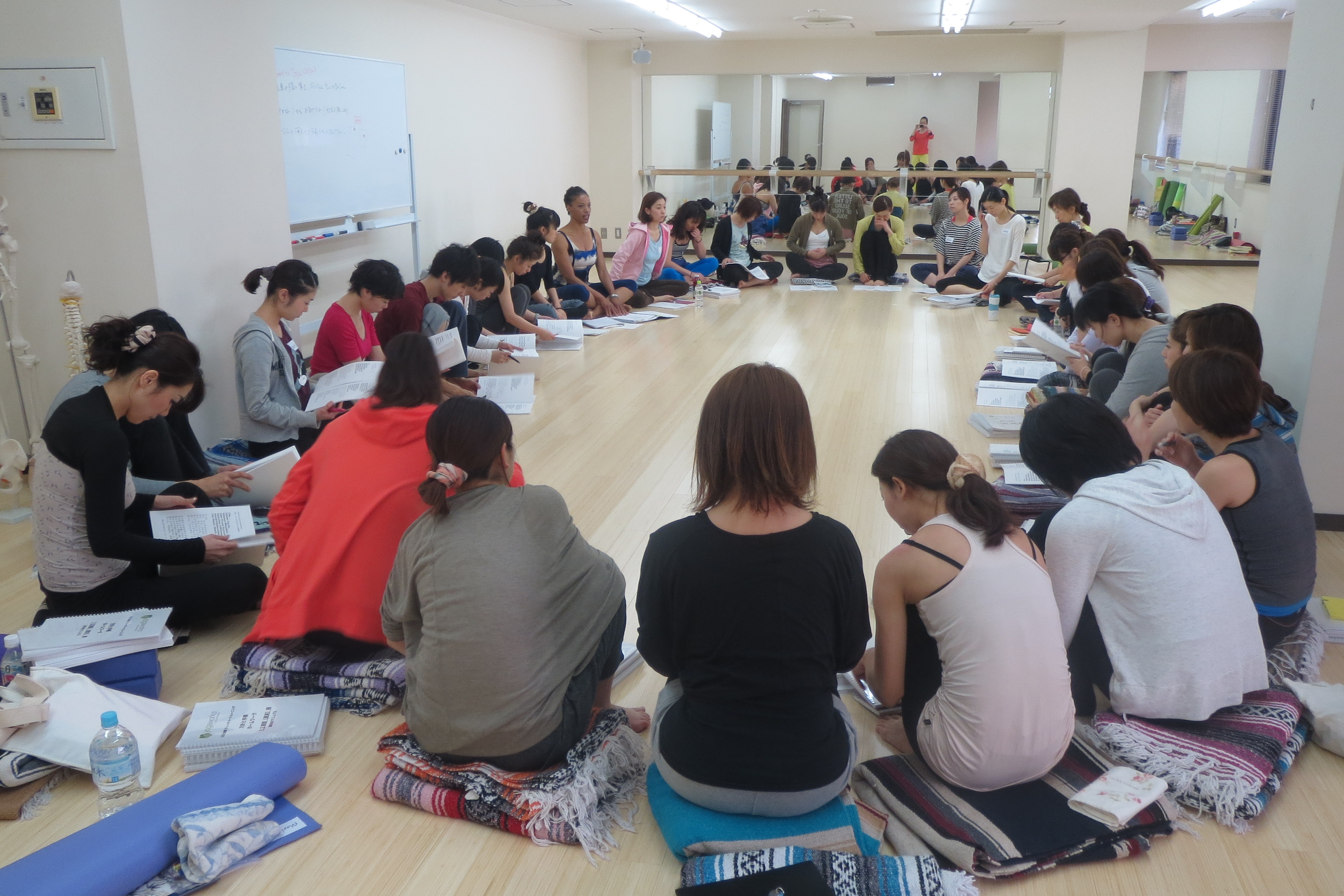
I’m approaching the half-way point of the training with this is a bright and enthusiastic group. Many send their homework assignments in on Sunday night just hours after we’ve met, and the others follow shortly early in the week. We’ve covered: the fundamental standing poses, many Yogaworks teaching methods,  the history of yoga,  Pantanjalis’ Sutras 1.1-1.41,  and just this past Sunday, an introduction to inversions. Nevertheles, some express frustration with the new topics they are exposed to; anatomy, philosophy, Sanskrit.  I continually encourage them to be patient with what they are learning–abhyasa and vairagaya (“patience and perseverance,Sutra 1.12 )

I have my own challenges as a teacher; its difficult to keep the energy throughout the day while teaching, demonstrating and maintaining a constant dialogue between the translator, students, and myself. In fact, there is constant chatter all day long. To end the day long session, I often have us sit in silence and I say, “let all of this new information settle,” reinforcing the concept of, sutra 1.2 “yogas citta vritti nirohda” (yoga is the calming of the fluctuations of the mind). Many are now saying how much that sutra resonates with them in personal situations throughout their week.

No matter how exhausted I may be at the end of a training weekend, I feel blessed and can’t believe I’m here in Tokyo teaching yoga.

Getting to Know Kichijoji

This slideshow requires JavaScript.

Traveling around Tokyo to teach is pushing my boundaries in new ways this time,  forcing me to take trains further distances and explore different neighborhoods.  On my  first day of teaching in Kichijoji, Yuri met at the Gotanda station to show me the train route.  After class, I told Yuri that I wanted to stroll around the neighborhood and could get home by myself. She asked “are you sure?”  I said absolutely, “I remember how to get back.” I ended up getting terribly lost on the subway and it took me over an hour to reach my final destination! I slightly panicked because no one spoke English and I didn’t quite know how to get back to where I needed to go.  The subway map wasn’t quite making sense. I finally got some assistiance and found out later that I somehow got on the Chou “Blue Line” instead of the Chou “Yellow” Line. Furthermore, I should have changed trains at Shinjuku for the Yamanote Line (green)!  You really have to stay focused!

I teach two classes a week in Kichijoji and I absolutely love this location, its has a great balance of the old and new, affordable goods, and is bustling with creative energy. It’s also more manageable than, lets say,  Shibuya–even with the multitude of shops, cafes, restaurants, and stores–you get a sense of being in a close-knit neighborhood. Plus there is the beautiful Inokashira Park, which features a lake surrounded by hundreds of cherry blossom trees. I was able to get a first glimpse of the budding cherry blossoms earlier this week which will be in full bloom in the days to come.

Each Tuesday after class, I spend the afternoon wandering around, trying the local cuisine and taking pictures.  I’ve explored Nakimichi Street, Sun Road, and the surrounding areas.  Each turn down an alley or road reveals a new discovery. I literally walk until I’m completly exhausted before heading back to Gotanda. There may be more on Kichijoji before I leave Tokyo!

The Tokyo Diary 2013: A New Chapter

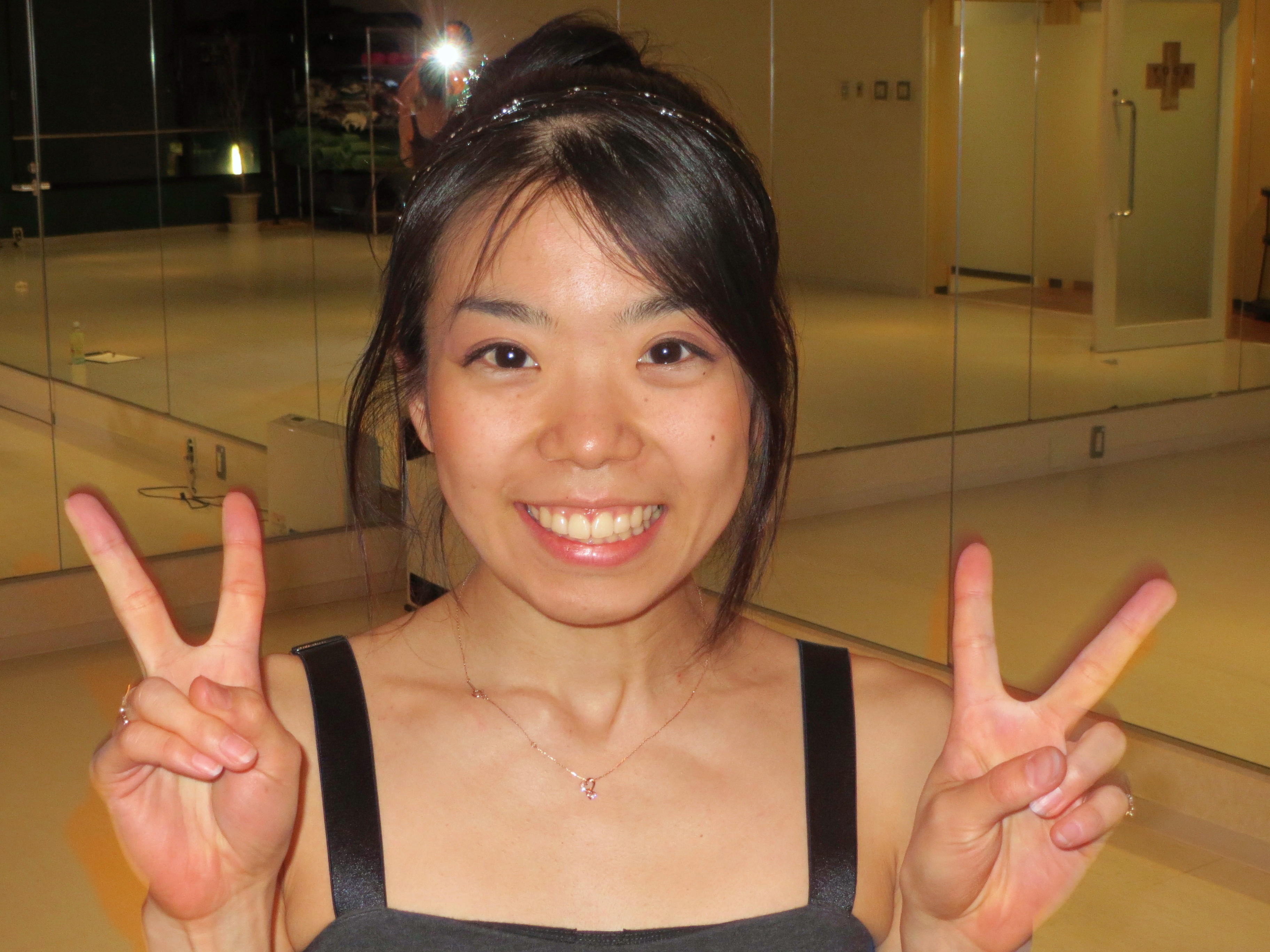
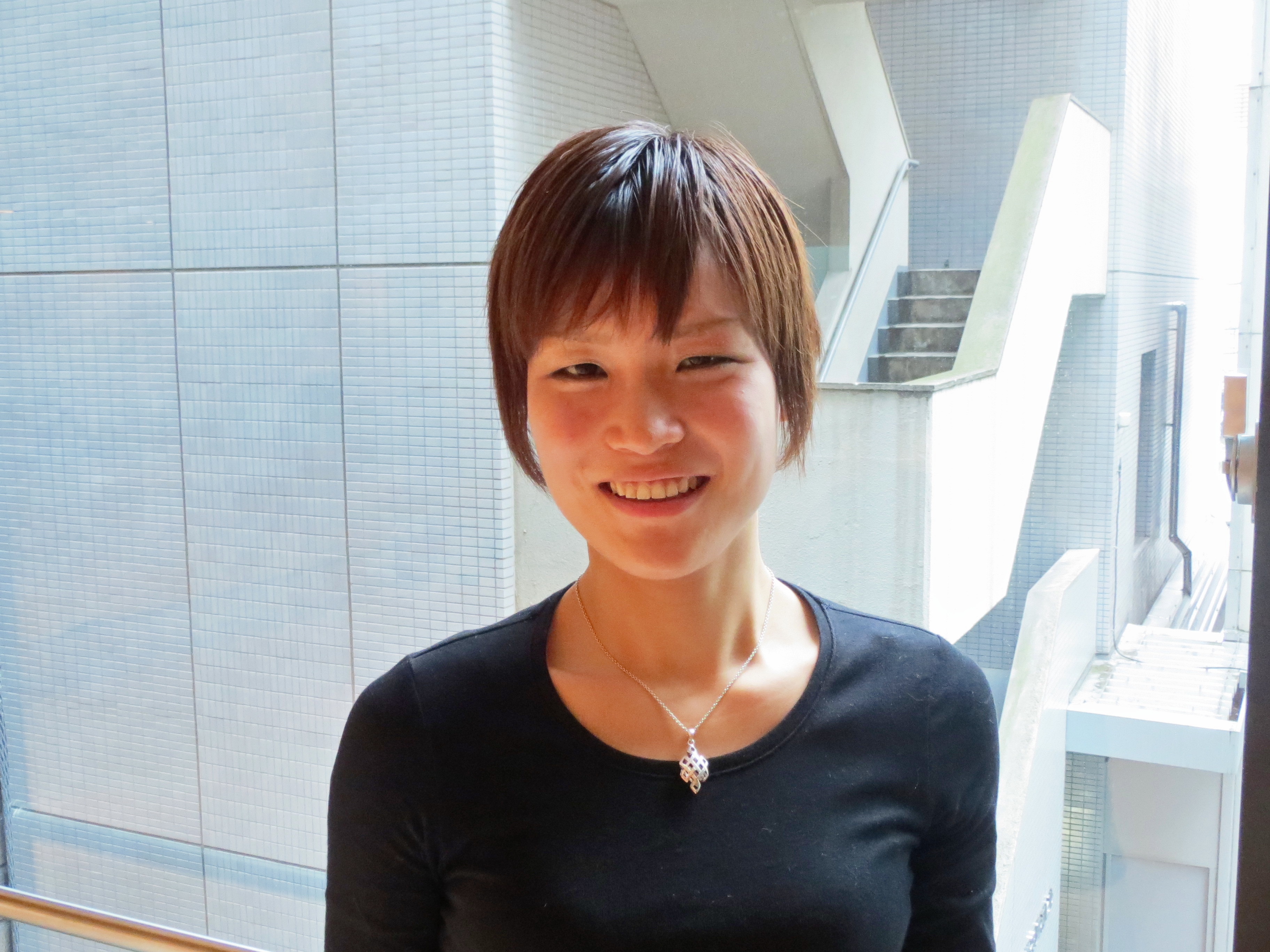
IMG_1590_1I’m back in Tokyo for another teacher training.  Just one year ago, which seems like yesterday, I was here to lead my first teacher training for Yogaworks at  one of their affiliate studios, YogaPlus.  It’s my only my second time leading a training and I have thirty-two students enrolled!!  I’m very fortunate to have Yuri Nakamura and Kosai Kato as my translators for the program.  They translated for my classes last year and have grown and evolved in their teaching over these past months.

Yuri at Gotanda

Yuri Nakamura

portrait of Kosai

Kosai Kato

In addition, I will be teaching five yoga classes a week at various YogaPlus studios throughout the Tokyo metropolitan area—Kichijoji, Sangenjaya, Yokohoma, Gotanda and Shinjuku.   I arrived here on February 28 and have already begun working;  completing a full week of classes and two weekends of the teacher training.  I’m staying in Gotanda again in a new place near the train station, so at least I’m in familiar surroundings.

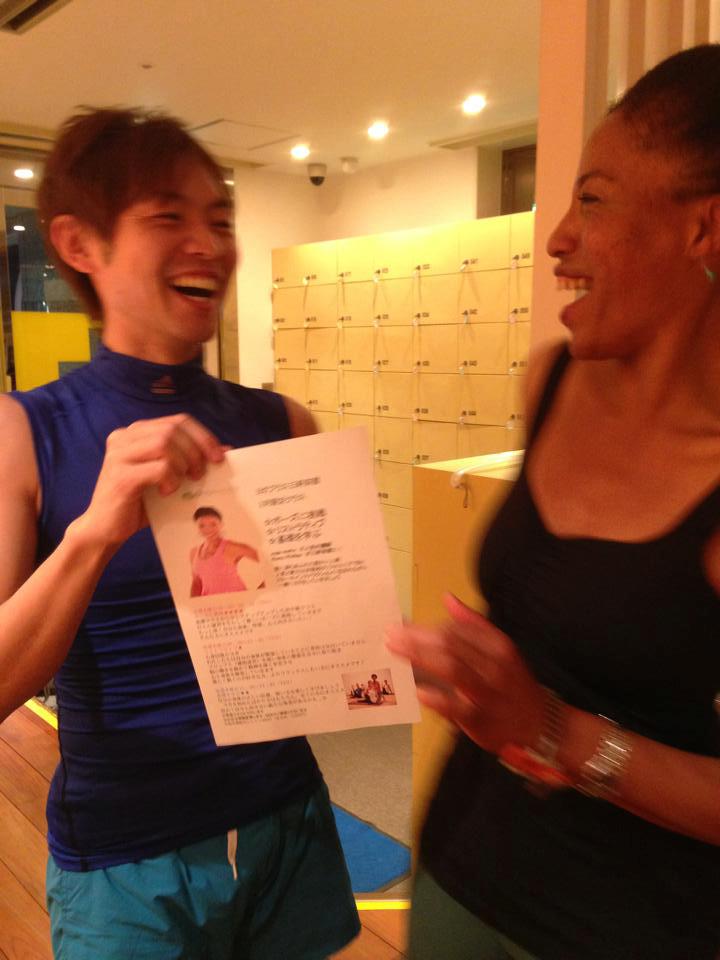
I made so many new friends last year and feel welcomed back as if I were family. I’ve been  enjoying emotional reunions with former students and teachers I met last year.  Although I’ve only been here for one hectic week, I feel grateful to have been invited back and am once again appreciating  all of the incredible sights, food and culture that Japan has to offer. No doubt, there will be many challenges and adventures in the weeks ahead and this experience will undoubtedly inspire new stories to tell.860115_456633811075180_1930156531_o

529729_174474536034061_1164041992_n541532_340382586082412_1709380338_n