Ceremonial Hanami at Shinjuku Gyoen

This slideshow requires JavaScript.

The serene setting of Shinjuku Gyoen offered a contemplative viewing of Hanami. The Imperial Gardens completed in 1906, was once the residence of the Naito family (daimyo) in the Edo period.  A very cold and cloudy day provided a dramatic backdrop as I roamed the vast park for over two hours touring approximately 145 acres of French Formal, English Landscape and Japanese Traditional gardens.   Overall, this venue had a more serious tone, as there was no alcohol allowed on the premises and bags were inspected at the gate. The crowds were small in comparison to other locales and the sounds of the city seemed to disappear as one traversed the stately grounds of vast sweeping lawns, ponds, towering trees and interesting structures–wooden bridges, the Taiwan Pavillion,  a tea house and various stone reliquary statues.  With more space to spread their roots and branches, the sakura trees were impressively grand and enormous.  Shinjuku Gyoen has over 1,500 cherry trees featuring Shidare (Weeping Cherry), Somei (Tokyo Cherry), Kanzan (Cherry).  I also liked the visual contrast of the pale blossoms against the Himalayan Cedars and other vegetation which created a painterly impressionistic effect.

I strolled contentedly taking pictures until my fingers literally froze.  Eventually, a melodic tune played signalling all visitors to leave. I joined the quiet procession of departing visitors feeling very calm and refreshed.

Hanami Extravaganza: Meguro River

This slideshow requires JavaScript.

I was fortunate to be in Tokyo for  my first “Hanami” and the widespread festivities welcoming the spring season. The city was literally ablaze in a blizzard of pale pink  petals with celebrations escalating as the blossoms peaked. I was told that the short-lived, delicate “sakura” (cherry blossoms)  would be gone by the first rain. Although we were experiencing chilly, cloudy weather, I ran with camera in hand to prime spots that were suggested to me. I too got caught up in the festivities and the excitement visiting the Meguro River in Nakemeguro; Shinjuku Gyoen and Inokoshira Park–each site offering a unique Hanami experience.

Since the Meguro River offered the most fantastic blooms of these excursions, I thought it would be interesting to visit at night which I would find out later is referred to as “Yozakura,” night Hanami.  I was right, the sakura were just as spectacular with the heightened drama of the glowing lanterns strung along the river reflecting onto the branches and on the water below.  The walkways along the canal were teeming with an almost ritualistic procession of people. They spent continuous days and nights, strolling, taking pictures and enjoying treats from vendors who were selling food, drinks and glasses of rose champagne.

I took so many pictures that I decided to present my Hanami experience in three parts to retain the mood of each setting.

Early Stages of the Teacher Training

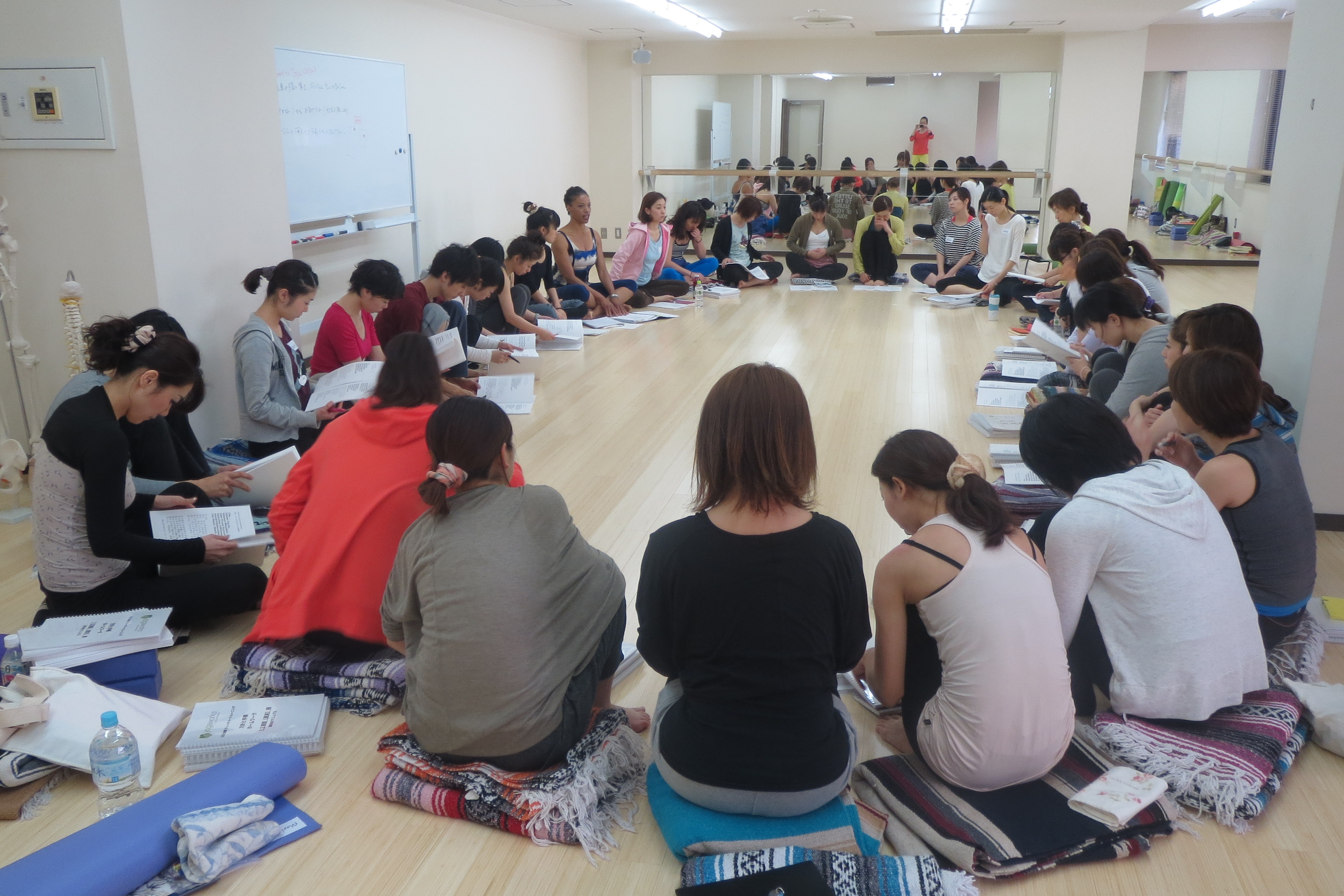
I’m approaching the half-way point of the training with this is a bright and enthusiastic group. Many send their homework assignments in on Sunday night just hours after we’ve met, and the others follow shortly early in the week. We’ve covered: the fundamental standing poses, many Yogaworks teaching methods,  the history of yoga,  Pantanjalis’ Sutras 1.1-1.41,  and just this past Sunday, an introduction to inversions. Nevertheles, some express frustration with the new topics they are exposed to; anatomy, philosophy, Sanskrit.  I continually encourage them to be patient with what they are learning–abhyasa and vairagaya (“patience and perseverance,Sutra 1.12 )

I have my own challenges as a teacher; its difficult to keep the energy throughout the day while teaching, demonstrating and maintaining a constant dialogue between the translator, students, and myself. In fact, there is constant chatter all day long. To end the day long session, I often have us sit in silence and I say, “let all of this new information settle,” reinforcing the concept of, sutra 1.2 “yogas citta vritti nirohda” (yoga is the calming of the fluctuations of the mind). Many are now saying how much that sutra resonates with them in personal situations throughout their week.

No matter how exhausted I may be at the end of a training weekend, I feel blessed and can’t believe I’m here in Tokyo teaching yoga.

Getting to Know Kichijoji

This slideshow requires JavaScript.

Traveling around Tokyo to teach is pushing my boundaries in new ways this time,  forcing me to take trains further distances and explore different neighborhoods.  On my  first day of teaching in Kichijoji, Yuri met at the Gotanda station to show me the train route.  After class, I told Yuri that I wanted to stroll around the neighborhood and could get home by myself. She asked “are you sure?”  I said absolutely, “I remember how to get back.” I ended up getting terribly lost on the subway and it took me over an hour to reach my final destination! I slightly panicked because no one spoke English and I didn’t quite know how to get back to where I needed to go.  The subway map wasn’t quite making sense. I finally got some assistiance and found out later that I somehow got on the Chou “Blue Line” instead of the Chou “Yellow” Line. Furthermore, I should have changed trains at Shinjuku for the Yamanote Line (green)!  You really have to stay focused!

I teach two classes a week in Kichijoji and I absolutely love this location, its has a great balance of the old and new, affordable goods, and is bustling with creative energy. It’s also more manageable than, lets say,  Shibuya–even with the multitude of shops, cafes, restaurants, and stores–you get a sense of being in a close-knit neighborhood. Plus there is the beautiful Inokashira Park, which features a lake surrounded by hundreds of cherry blossom trees. I was able to get a first glimpse of the budding cherry blossoms earlier this week which will be in full bloom in the days to come.

Each Tuesday after class, I spend the afternoon wandering around, trying the local cuisine and taking pictures.  I’ve explored Nakimichi Street, Sun Road, and the surrounding areas.  Each turn down an alley or road reveals a new discovery. I literally walk until I’m completly exhausted before heading back to Gotanda. There may be more on Kichijoji before I leave Tokyo!

The Tokyo Diary 2013: A New Chapter

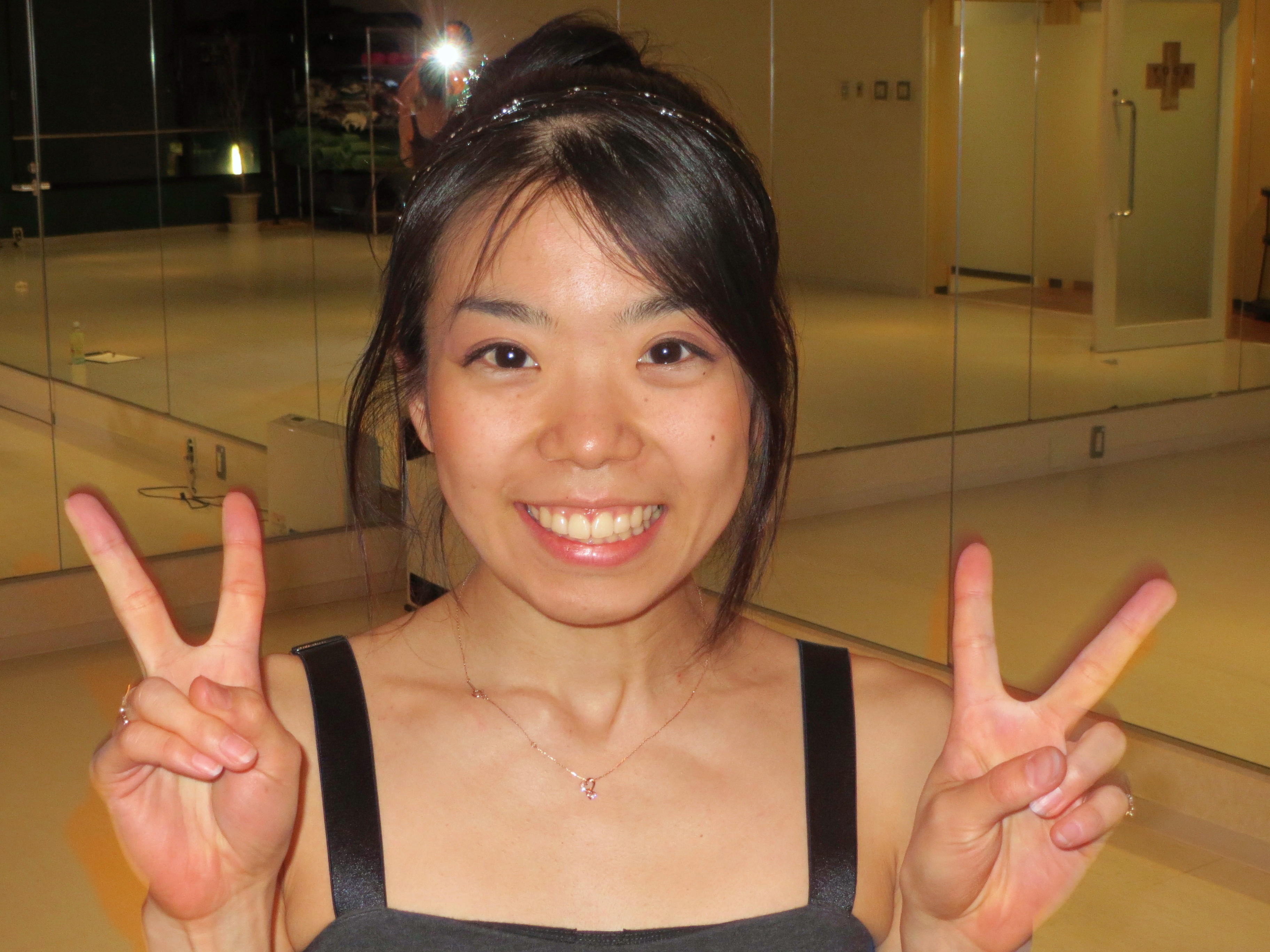
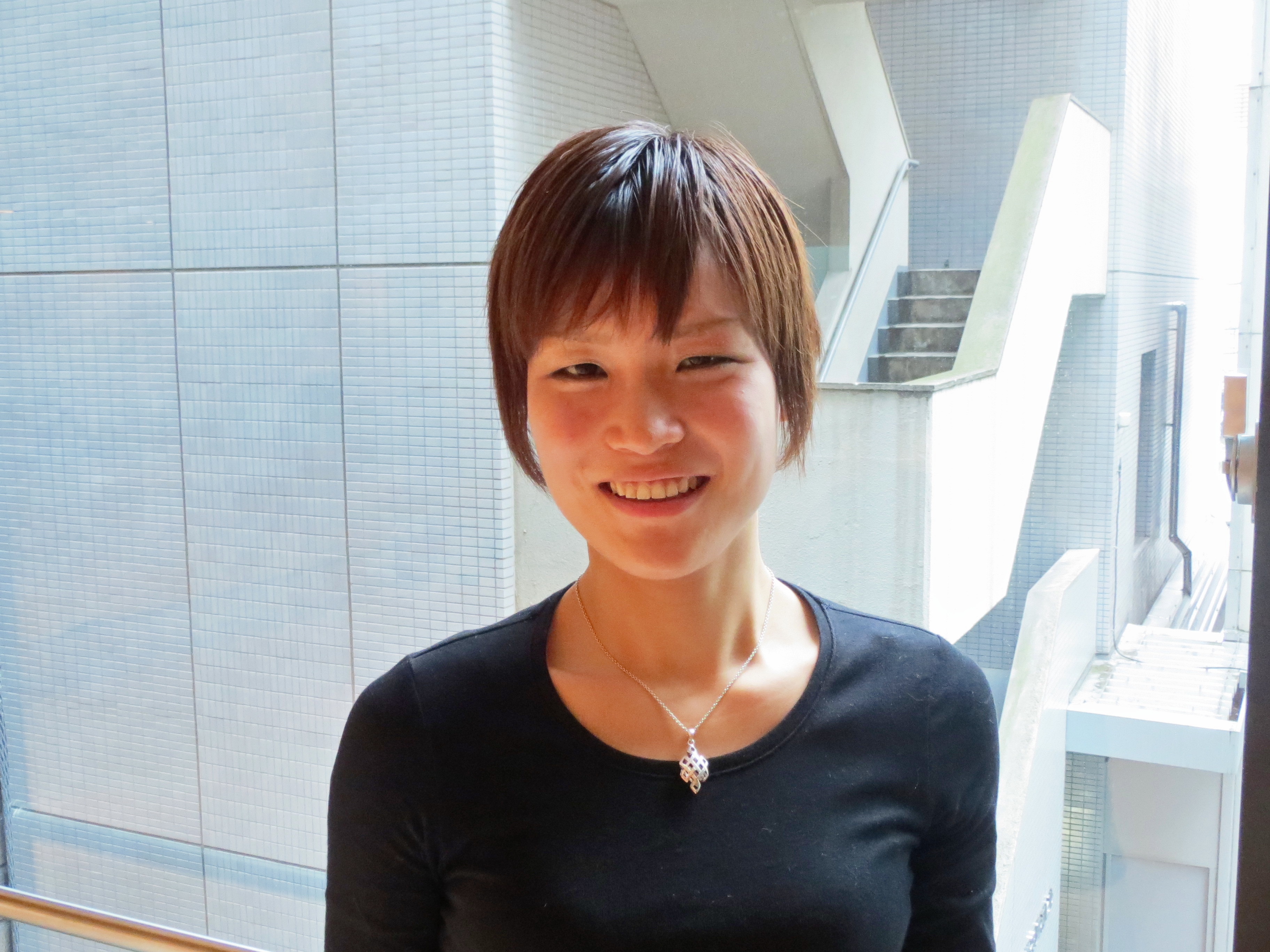
IMG_1590_1I’m back in Tokyo for another teacher training.  Just one year ago, which seems like yesterday, I was here to lead my first teacher training for Yogaworks at  one of their affiliate studios, YogaPlus.  It’s my only my second time leading a training and I have thirty-two students enrolled!!  I’m very fortunate to have Yuri Nakamura and Kosai Kato as my translators for the program.  They translated for my classes last year and have grown and evolved in their teaching over these past months.

Yuri at Gotanda

Yuri Nakamura

portrait of Kosai

Kosai Kato

In addition, I will be teaching five yoga classes a week at various YogaPlus studios throughout the Tokyo metropolitan area—Kichijoji, Sangenjaya, Yokohoma, Gotanda and Shinjuku.   I arrived here on February 28 and have already begun working;  completing a full week of classes and two weekends of the teacher training.  I’m staying in Gotanda again in a new place near the train station, so at least I’m in familiar surroundings.

I made so many new friends last year and feel welcomed back as if I were family. I’ve been  enjoying emotional reunions with former students and teachers I met last year.  Although I’ve only been here for one hectic week, I feel grateful to have been invited back and am once again appreciating  all of the incredible sights, food and culture that Japan has to offer. No doubt, there will be many challenges and adventures in the weeks ahead and this experience will undoubtedly inspire new stories to tell.860115_456633811075180_1930156531_o

529729_174474536034061_1164041992_n541532_340382586082412_1709380338_n

Sayonara, A Bow, An Expression…

Now seated comfortably on the bus toward Narita Airport, I thought about that first night in April when I arrived not knowing what to expect but completely open to new adventures.  As I waited on that chilly night for transportation to take me to Tokyo, I saw a porter bow deeply at a departing bus.  I was struck by the grace of the salutation, the expression, and the ultimate acknowledgement of respect. Throughout my stay, I was bowed to, my students bowed to each other, and I too began to bow: apologetically for not knowing the language well enough to communicate freely, but most of all as way to express my appreciation and gratitude.

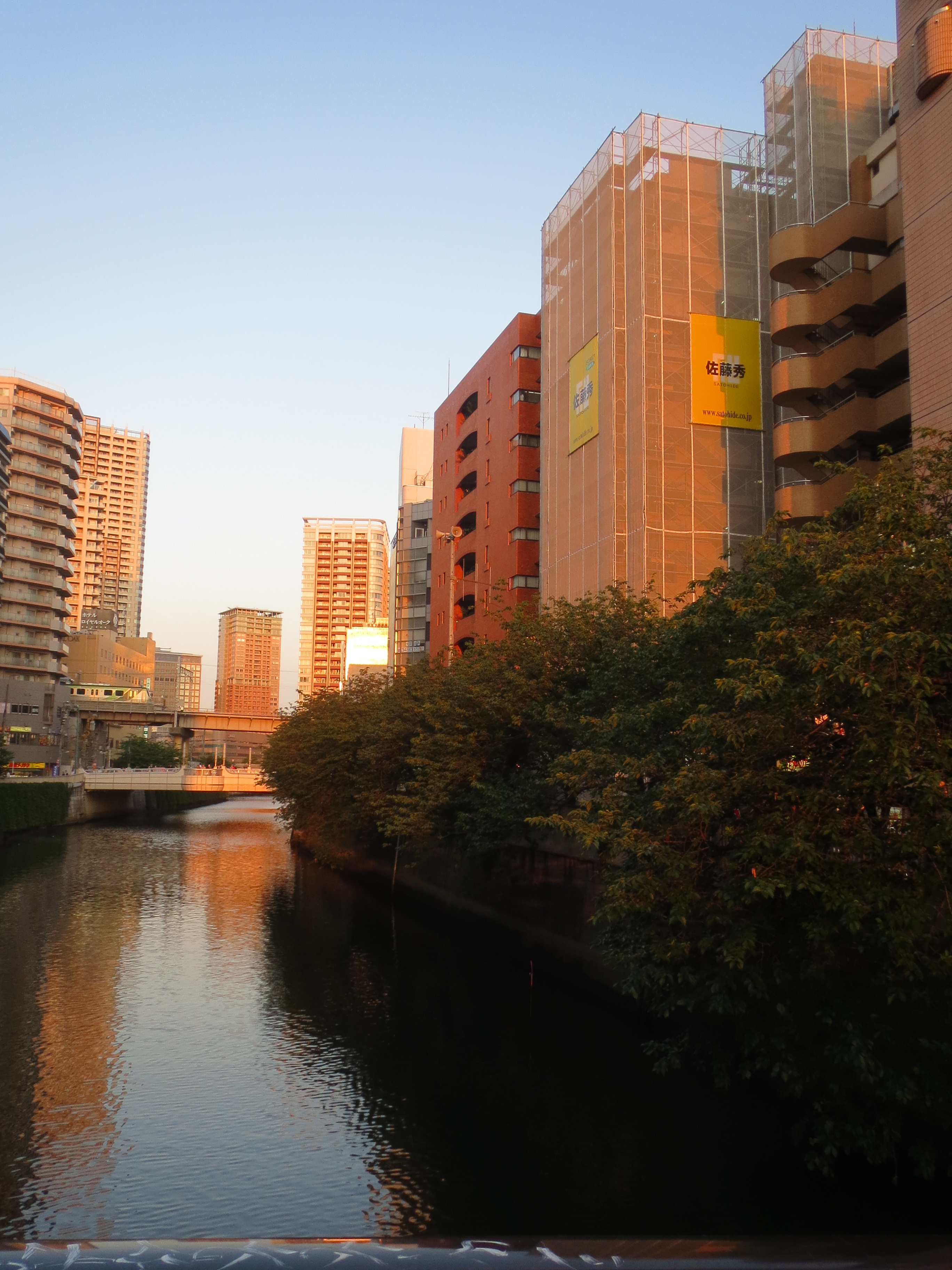
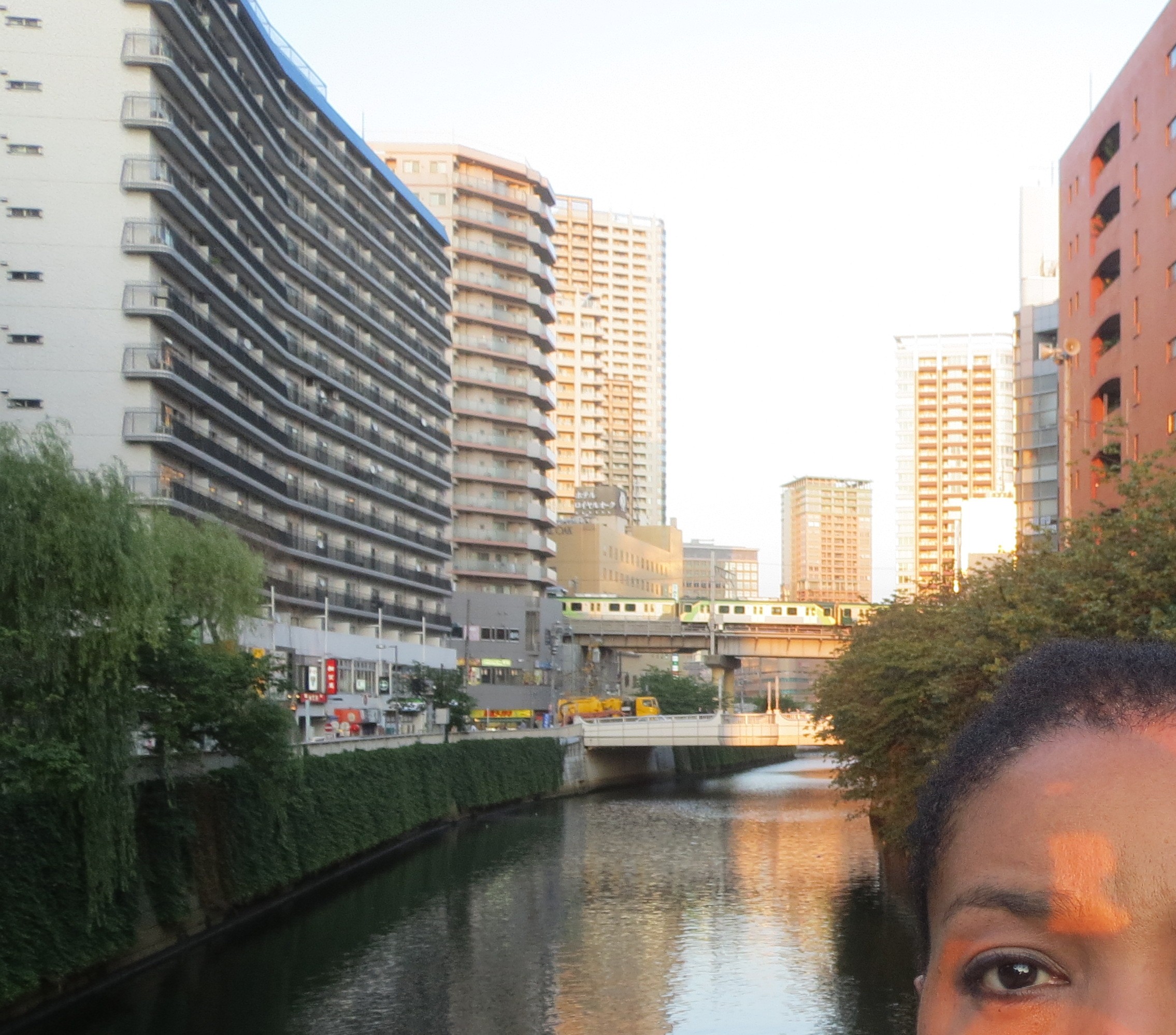
One late afternoon in June I was walking toward the Gotanda Station and passed the same spot on the bridge that is in the image of the first posting of this dairy: trees sprinkling their fading blossoms along the river one rainy day back in April.    The sun was now setting on this very same scene, casting a dreamy golden light on the buildings and water. The trees were now a fresh green.  I stopped for a moment to take a picture.  Later when I compared the images, I was struck by the differences—spring to summer—which not only indicated the passing of time, but renewal and transformation.

Svadhyaya:” Commentary on a Yoga Teacher’s Sabbitical

After leaving the restaurant that rainy evening, I quietly walked up Nishi-Gotanda towards my apartment.   Worn to a frazzle from all of the weekend’s festivities–I still had to pack, meticulously clean the apartment, and be prepared to leave by 1:00 p.m. the next day, July 2.  Although I had been organizing off-and-on throughout in the week, I found that I still needed to make room in my three suitcases for new things, which meant getting rid of the old.   As I quickly got busy tearing into this herculean task, I began to think about a concept that had periodically crossed my mind – that this entire experience was somewhat like a “sabbatical.” I realized how lucky I was to have the opportunity to really immerse myself and concentrate on teaching, learning and practicing yoga.    Moreover, the circumstances of this situation allowed me to cultivate, in-depth, many facets of teaching.  At the beginning of each week, I would glance at the teacher-training manual, highlighting topics that I needed to spend more time on–nothing was left out, and then decisively prepare for upcoming sessions.  Luckily I had the foresight to bring a small library of yoga books (costing me more at the airport), which provided invaluable research support.   Instead of circumventing topics that I found intimidating I boldly approached, yoga philosophy, the Yoga Sutras, subtle body, anatomy–and lectured for hours on them.  I once e-mailed one of my friends to say that I suddenly felt like a “yoga scholar.”   For the first time I began to grasp the essence of subjects that had perplexed me for years and now saw the potential for deeper understanding through continued study, future trainings or use through other applications.  Furthermore, the five classes I taught during the week pushed my professional boundaries: Level 1, Level ½, Level 2/3, Yoga Therapeutics, & “Vinyasa Flow and Meditation” and four workshops, offered variety, a chance to create interesting sequences, and develop workshop content. The workshops were new for me and I was able to develop an inspiring project to move forward —“Living a Better Life Through Yoga” will continue on. 

In conjunction with this intense yoga immersion, I was able to focus on myself–although the photographs of the Tokyo training show me interacting socially, in reality I spent a lot of time alone—with my thoughts, positive and negative.  A sort of  “vipassana”–with deep-rooted samskaras persistently rising to the surface, forcing me to process and face my obstacles (klésas).   “Svadhyaya” one of the niyamas outlined in the eight-limbs of Pantanjali’s Yoga Sutras, describes the concept of  “self-study” where we examine not only spiritual texts, but also ourselves–even our physical practice can be a form of personal discovery.  Coincidentally my life in L.A. before venturing abroad was full of conflict and I was at a crossroads–weary, suffering from chronic back & joint pain, stressed financially, I asked myself,  “Can I continue on this path as a yoga teacher?”   Constant mental chatter –chitta vrittis– clouded my thoughts, limiting my ability to be focused and organized.  Although my colleagues reassured me, I didn’t feel competent or ready to lead training, “Why me?” I asked.  Yet, I felt I had nothing to lose by coming to Tokyo.  My brother, Alaric Phillips said that maybe I would find the answers and solutions while I was away. He had also given me the Japanese version of the Rosetta Stone as a “bon voyage gift” adding another stimulating component of learning. 
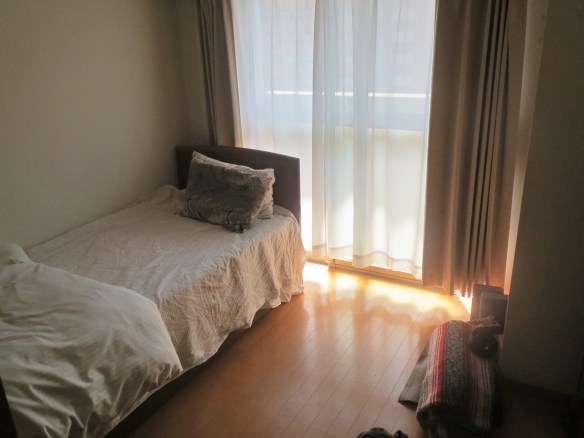
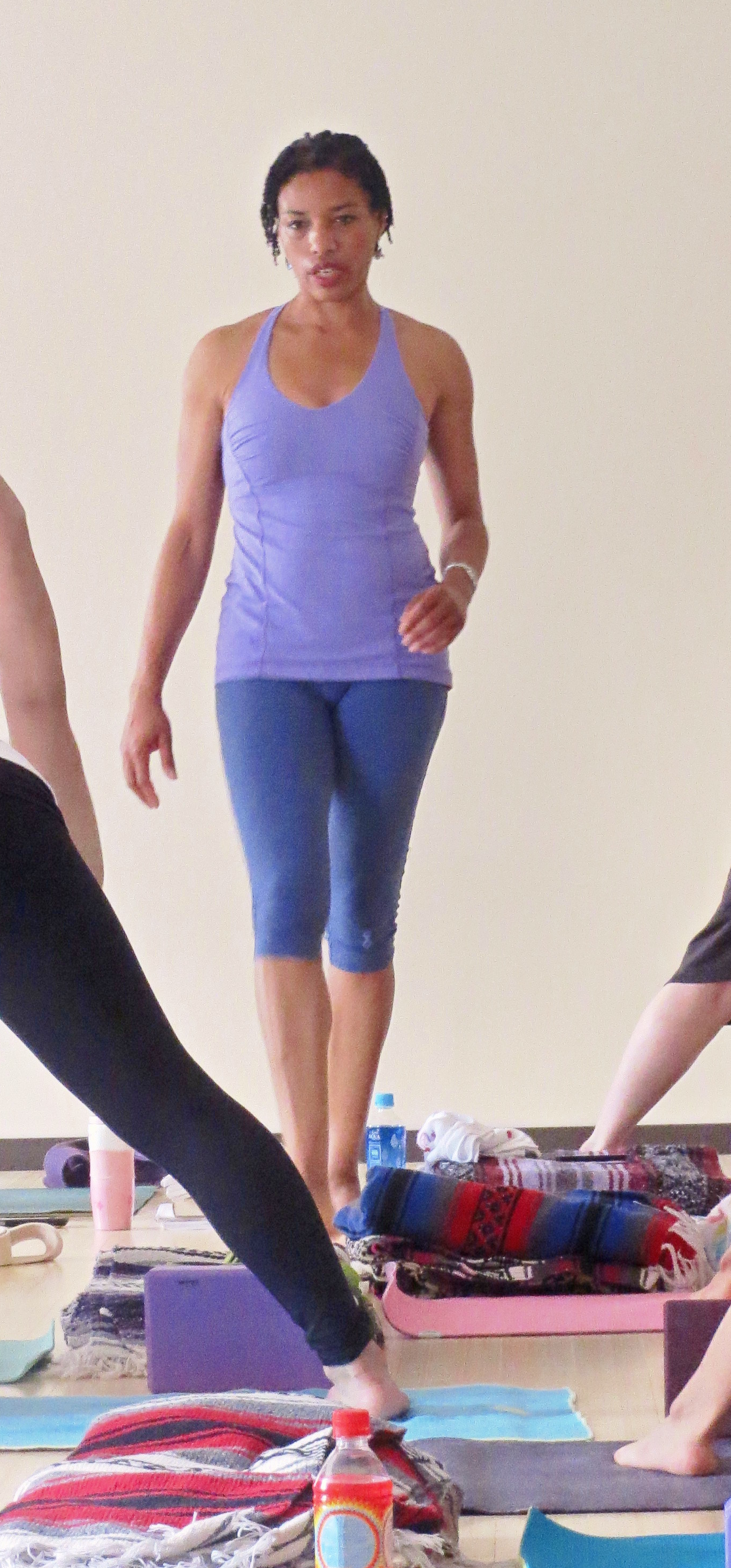
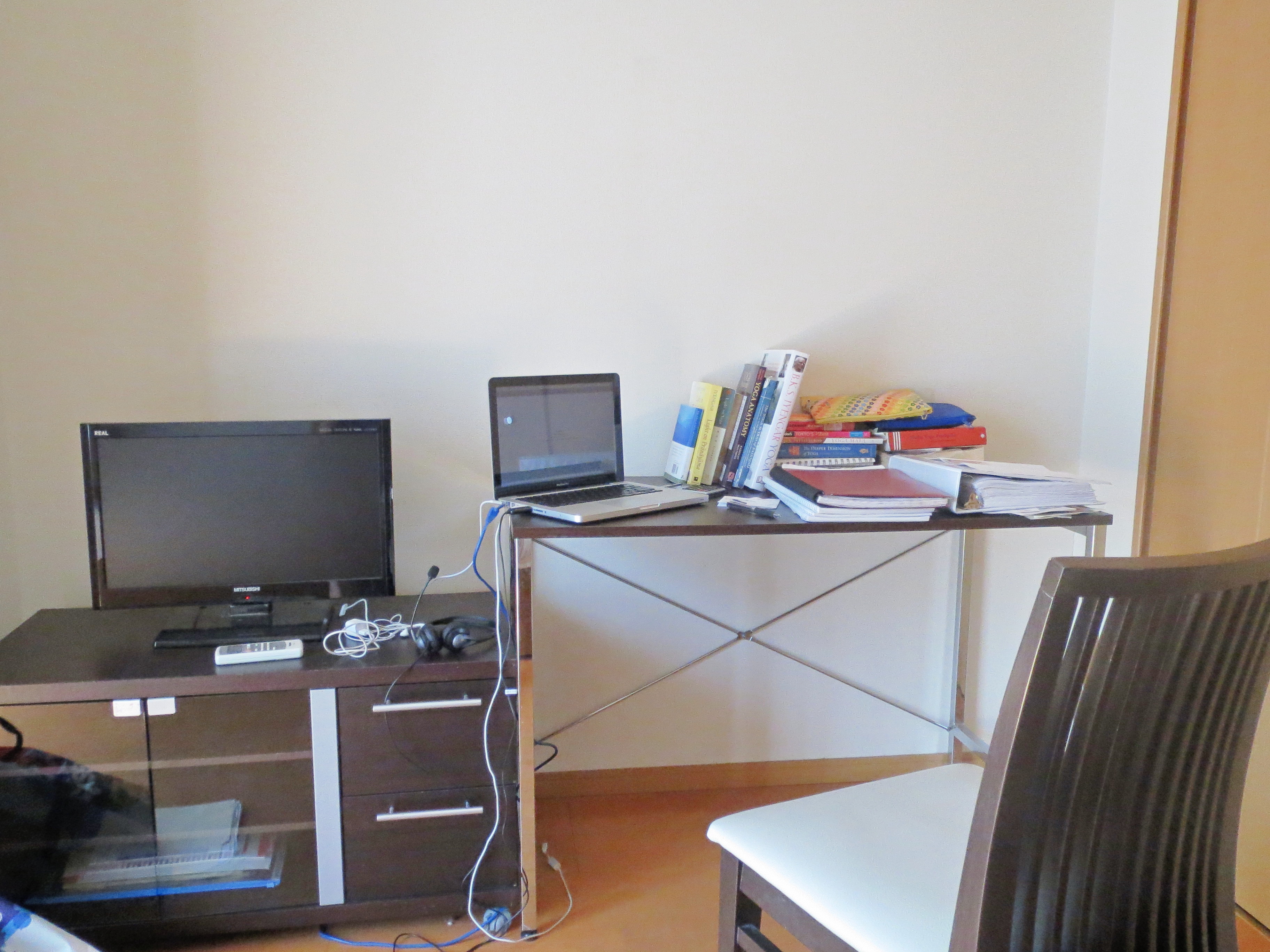
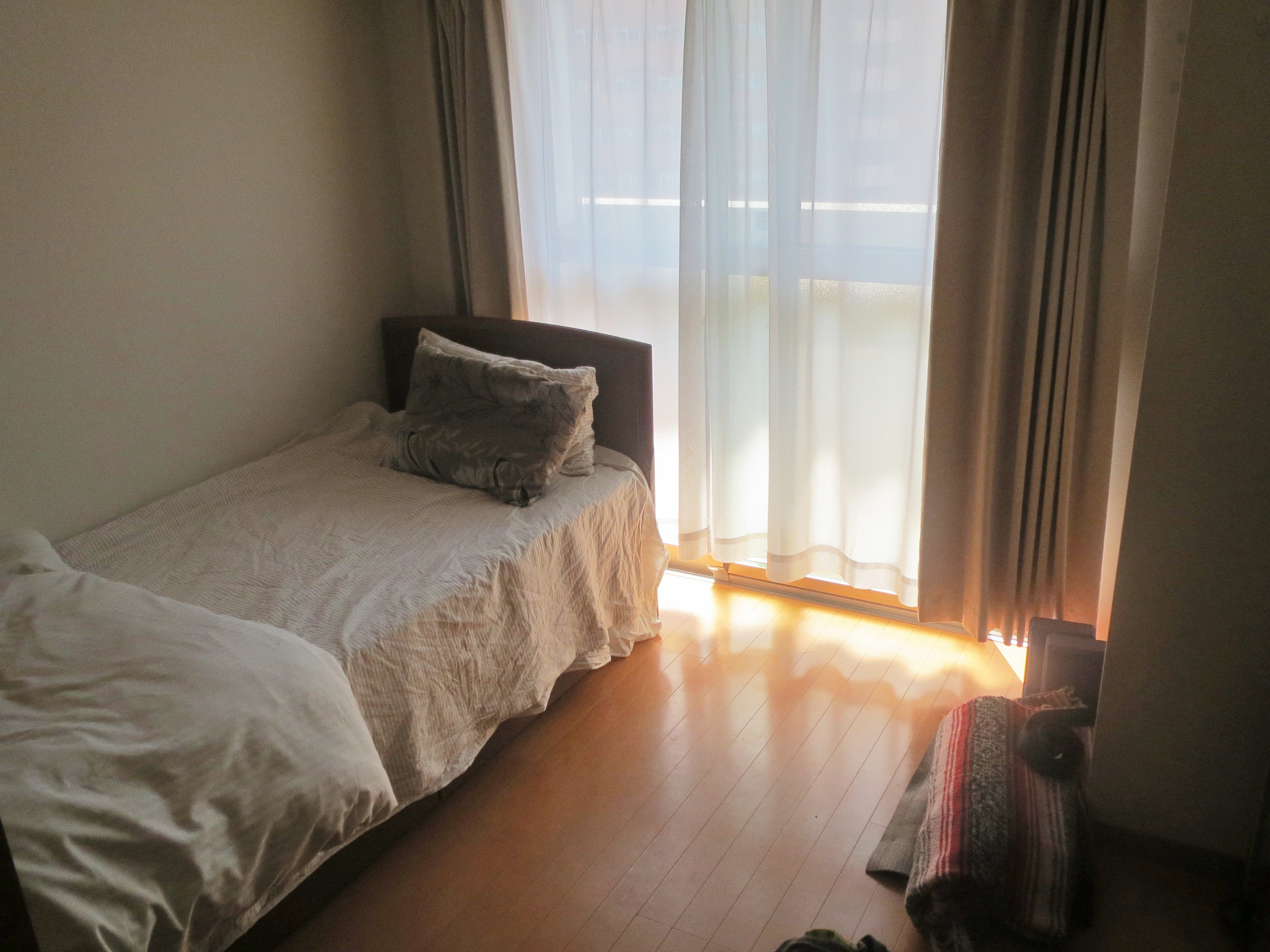
Busy sorting clothes, dishes & cookware in the early morning hours, the packing and cleaning was now in full swing. This simple, modest room was like a sanctuary–a home away from home, with its intimate space equipped with a tiny kitchen, bathroom and even a washing machine.  The television offered invaluable insight into Japanese traditions and popular culture and cooking.  Setting a weekly schedule of self-practice, I placed my mat on a sliver of floor space, and for up to two hours or more, worked on poses that were challenging to me, honestly addressing the parts of my body that offered the most resistance–something I couldn’t manage to do in Los Angeles.  Slowly my back pain started to go away, stress subsided and I lost weight ( 10 lbs!).  The impossibly hard bed actually became comfortable and the claustrophobic cramped space actually became cozy.  “Overcoming obstacles that come your way.” 

As I taught Pantajali’s Yoga Sutras to my students, a number of the aphorisms applied to my personal circumstances.  “Atha Yoganusasasnam”(1.1) as we all started out on this journey together, I began to learn and appreciate yoga again through new eyes and filtered through a new environment and language. “Yogas Citta Vritti Nirodaha” (1.2) as I worked on confronting my personal obstacles (klésas), the” ripples in the lake” became clearer and I was able to see my true self “Tada Drastuh Svarupe Vasthanam” (1.3)

Slowly I began to see what was wrong with life in L.A., with teaching yoga, and I started thinking of solutions.  Since I was able to experience three months of “bliss” where absolutely nothing went wrong, I realized that there was nothing wrong with me—I just needed to make better choices in my personal and professional life:  Slow down the chatter, get organized, stop dreaming, and face reality.  I thought to myself, “I hope that when I get back, that I can continue to connect the dots…

The next day, after thoroughly completing the tasks, I turned to look at the sparking clean apartment and neatly packed suitcases.   Arisa came to take me to the Prince Hotel in Shinagawa to catch the bus to Narita Airport.


Closing Ceremon(ies)

This slideshow requires JavaScript.

 The last weekend of June was a compression of intense, ceremonious events involving the conclusion of the teacher training exams, the “Final Practice Teach,” “Closing Circle” and two dinner parties.  After completing the suspenseful ” In-Class Exam”  and turning in the “Take-Home Exam” on Saturday morning, I taught my last class based on Padmasana—I marveled at the progress that so many of the students had made in the program mastering a series of complex poses.  Our session was followed by a full afternoon of lectures and preparation for the “Final Practice Teach”–the grand finale of the Yogaworks program when the students conduct a class of assigned poses.  Although many of the students had grown confident in their teaching overall, there could still be improvement in some areas.   I gathered everyone around at the end of the day and made a few critical comments based on my observations. I really had to be firm and they seemed disappointed that I wasn’t completely satisfied with them.

On Sunday, I woke up realizing that I would be leaving for Los Angeles on Monday and as I walked toward the Gotanda teacher training studio for the last time, I wondered how things would go on this long, sentimental day of “closings.”

The “Final Practice Teach” started with Ahn Eunsun who gave a soul-stirring opening that highlighted our journey as a group together over the past months–the first tears of the day began to flow as sniffles were heard throughout the room.  Next, Kenichi Nemoto got up to teach Bidalasana, then Mikiko Goto, followed by Sayaka Iso… the class flowed seamlessly throughout the morning from one newly minted teacher to the next–all twenty-eight of them.   This wonderful class was punctuated with evaluations and comments–my voice cracked occasionally as intermittent tears swelled up in my eyes.  To my surprise everyone rose the to the occasion.  Many of the students who had overcome personal obstacles to make this challenging mental and physical expedition, flourished and held their space.  I had done my job–what seemed impossible on the very first day of training in April had come to a miraculous termination.  I also couldn’t believe I had spent nearly three months living in Tokyo!  Shortly before the “Closing Circle”— a couple of students wanted me to autograph their mats, then slowly one-by-one they all lined up for me to sign or write out a special note –jubilation filling the room as the training comes to an end!

Finally the sacred “Closing Circle.”  I’ve assisted at least three trainings and the profound “Closing Circle” is an intensely emotional experience for a teacher to get through–it’s a revelation of powerfully sensitive comments as people reflect on a journey.  Each persons’ story is earnestly regarded as they make a bold step to share their deepest feelings.  We chose to do a candle exchange and Tomoko quietly and patiently whispered every remark in my ear as each person in the circle spoke after receiving a candle.  I listened and was surprisingly composed as I took it all in.

Charlotte Tanaka and Natsumi Ishikawa had formed a committee to organize our sensational closing party which would be at a nearby Indian restaurant. Curry is popular in Tokyo and there are a surprising number of Indian restaurants throughout the city and our group commandeered a small place for the evening. We enjoyed a delicious, festive pre-fix meal of assorted curry dishes washed down with mango lasses.  I got up to walk to the other tables and was then given a book made by the students: a fuchsia colored photo album of pictures taken by me, them, along with personalized hand written notes.   Although numerous  wonderful gifts were given to me throughout the day and into the dinner, this one in particular tugged at my heart–the idea of this intimate and devout gift was such a surprise!  At that moment, they wanted me to get up and give a speech.  I stood up and began to thank them for being great students, their thoughtful gifts and the dinner party, as continued I suddenly  began sobbing and couldn’t say another word.   Then Lotte said, “We have to clear the room!”   Kenichi instructed me how to chant “YYYYOOO”! and then told me that I should clap once afterwards.  I laughed hysterically and then after a moment we all shouted “YYYYYOOOOO!!!” and clapped once loudly in unison.  This ritual is called  “Ippon Sime,” a Japanese custom that is carried out to clear a space, to close a ceremony or event and also expresses appreciation for the visitor–a remarkable and glorious end to our training and time together.

As I walked outside into the rain, I turned say farewell to my students before heading out with Tomoko and Arisa to a going away party for me hosted by the YogaPlus teachers…

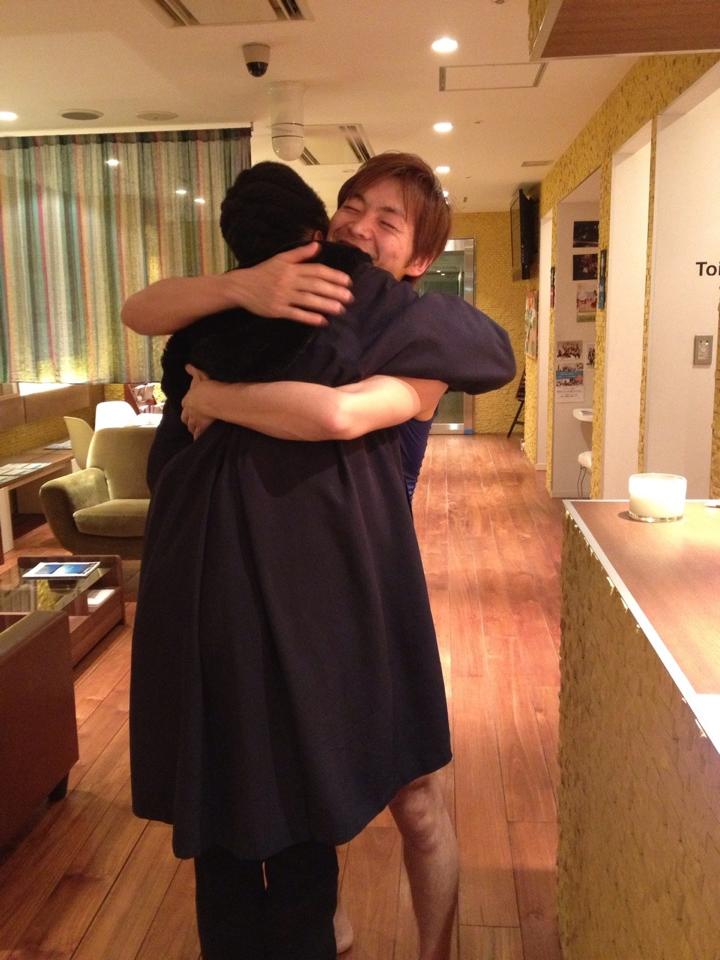
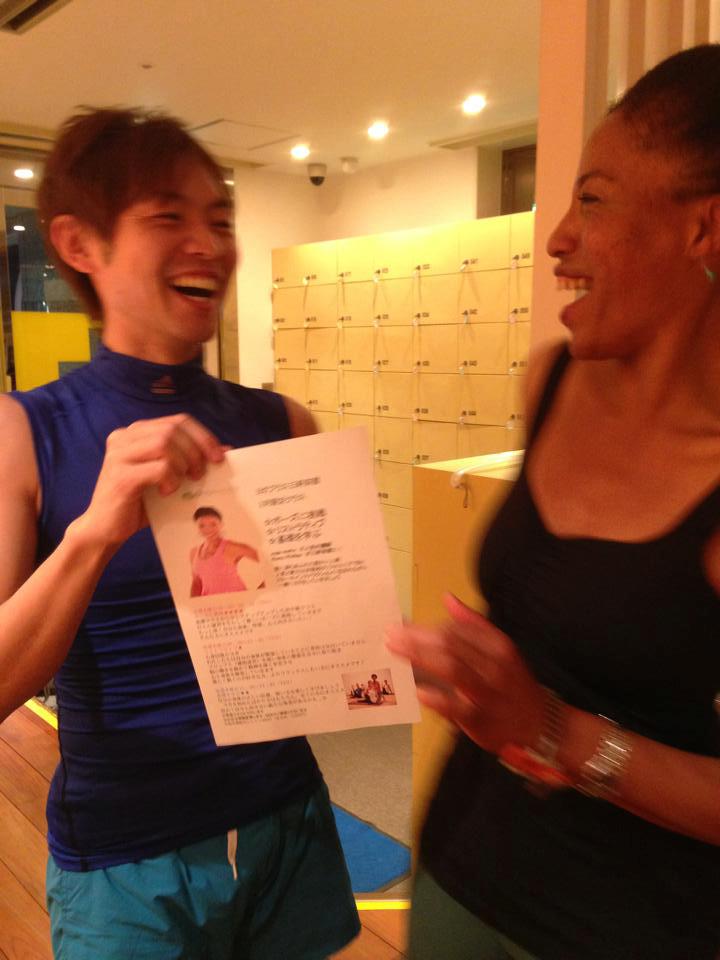
A congregation of teachers were seated on floor cushions at a long table covered with numerous dishes of tofu, fish, tempura and assorted drinks.  I had associated with them over the months through workshops and the classes they took with me during the week. Three of the teachers were also my translators for these classes.  My work activities with them were just as significant as my time with the students in the teacher training, compounding my responsibilities as a teacher and mentor.  Stuffed from the dinner, I couldn’t eat another bite.  However, it was always fun to socialize with the YogaPlus teachers–they were a lively enthusiastic bunch and before I realized it was around 9:00 p.m and I still needed to pack!   I thought, “I will be up all night,” but they didn’t want me to leave and I had a hard time tearing myself away.  At one point, Mikoto said “Romy you must stay in Japan!”  I laughed “believe me” I said, “I would love to!” but it was time for me to go.   We got up to take a few photos and then shared a joyous hug circle”–never had I felt so accepted and embraced by people and it was sincerely touchingPeriodically, I would overhear  Yuri and Tomoko mention the concept of “Sangha”  which traditionally is a collective term identifying all Buddhist “Bhikkhu.”  Furthermore, in Sanskrit “Samga” means association, assembly,  and “gana” flock, troop, tribe.” The interpretation of these terms  appropriately applied to this yoga “sangha”  of talented teachers and students.  As I left with my bags of gifts, I turned to see the group standing and waving good-bye. “Sayonaora!” I said….in my mind, I can still see the image of them standing there smiling warmly.

The Subway

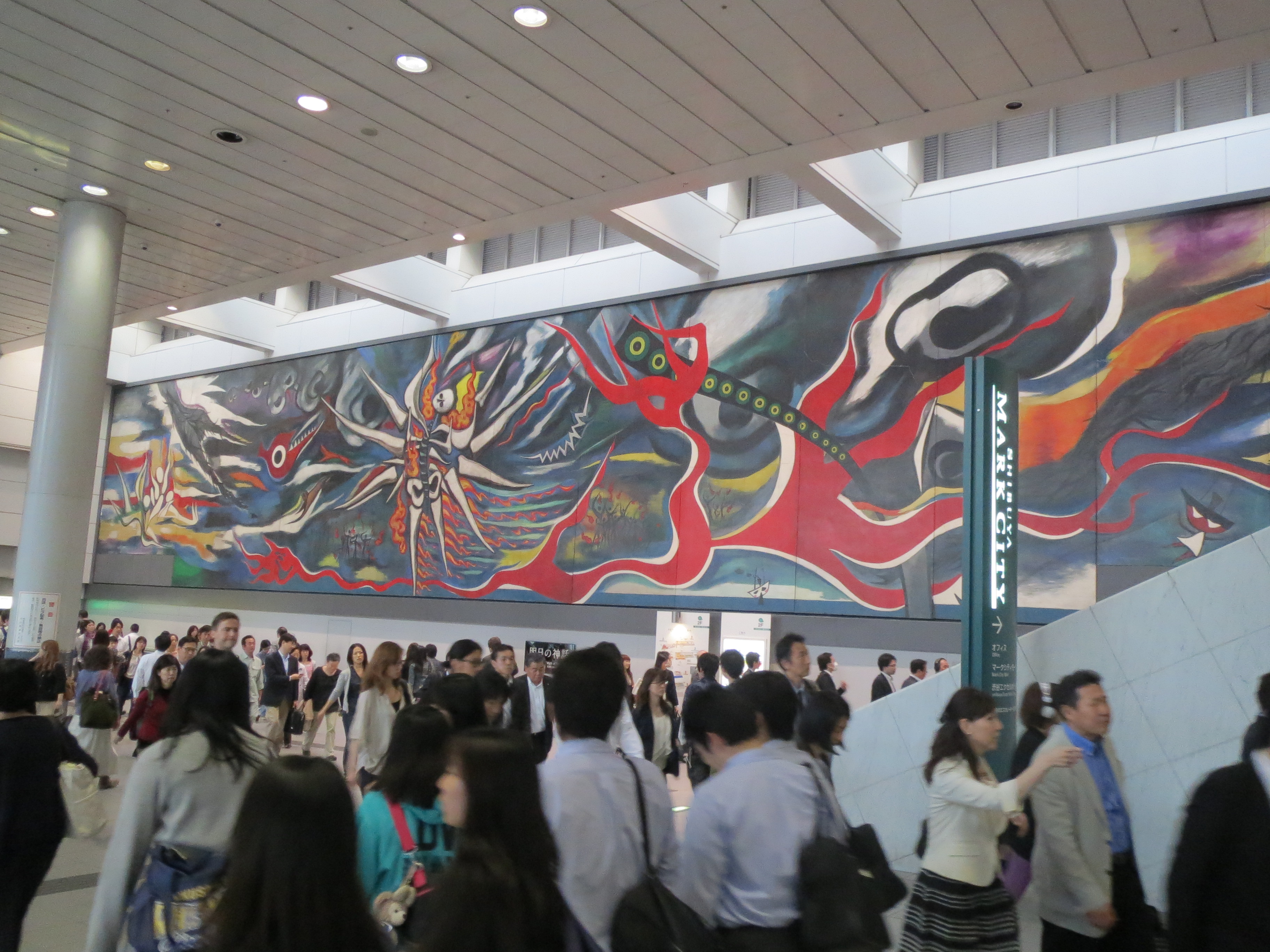
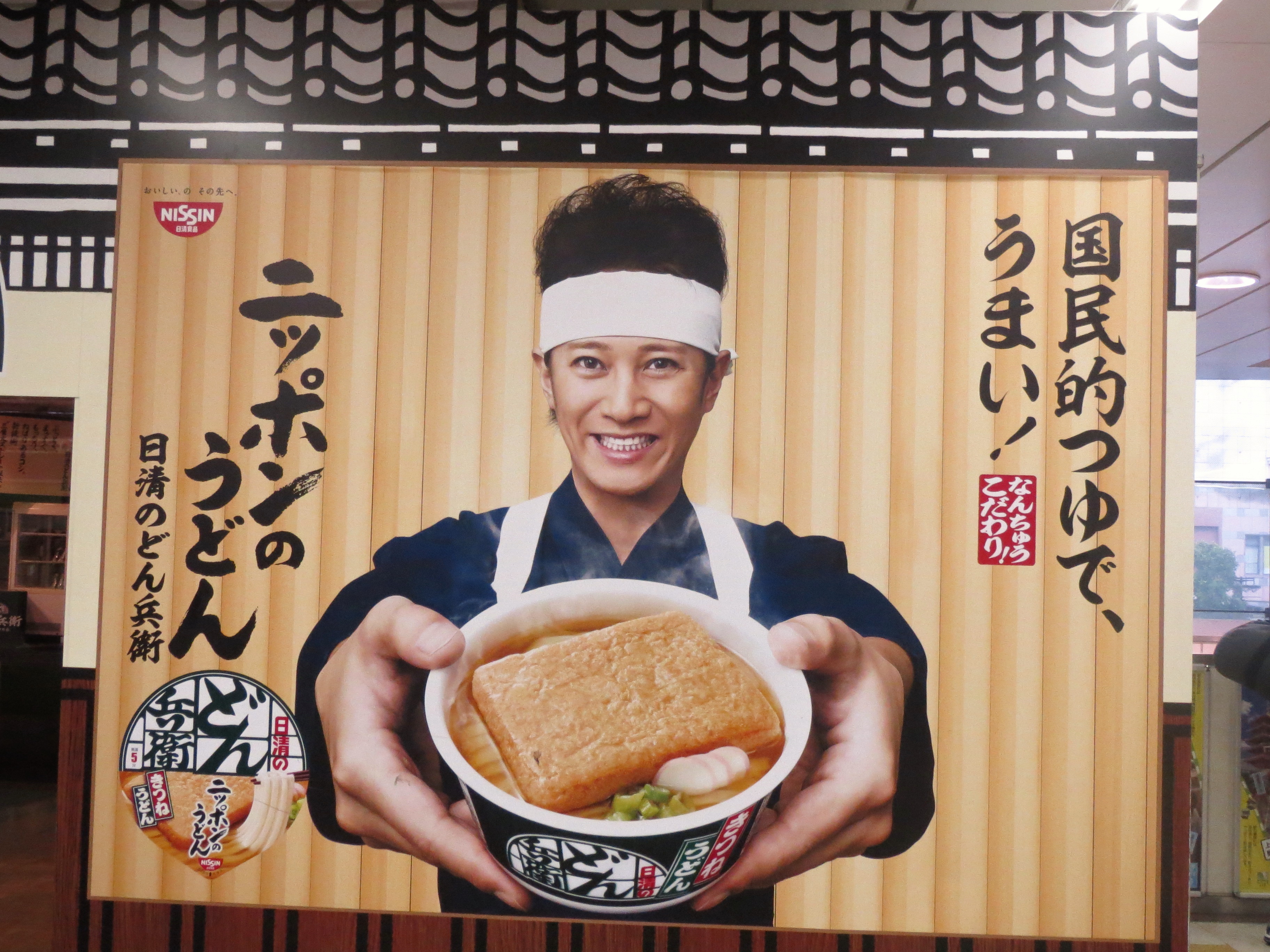
That Friday evening after returning  to Gotanda from Kamakura,  I realized that this would be the last time I would be on  the subway before leaving Tokyo. As I rode the escalator exiting the station, I saw the billboard for “Tipness Fitness” which had been running an advertisement campaign throughout the spring.  Although there were many other engaging and dynamic advertisements,  I always liked seeing this particular ad because it seemed to capture the frantic energy of the subway and the exuberant youthful spirit I felt embodied many people I had met in Tokyo.

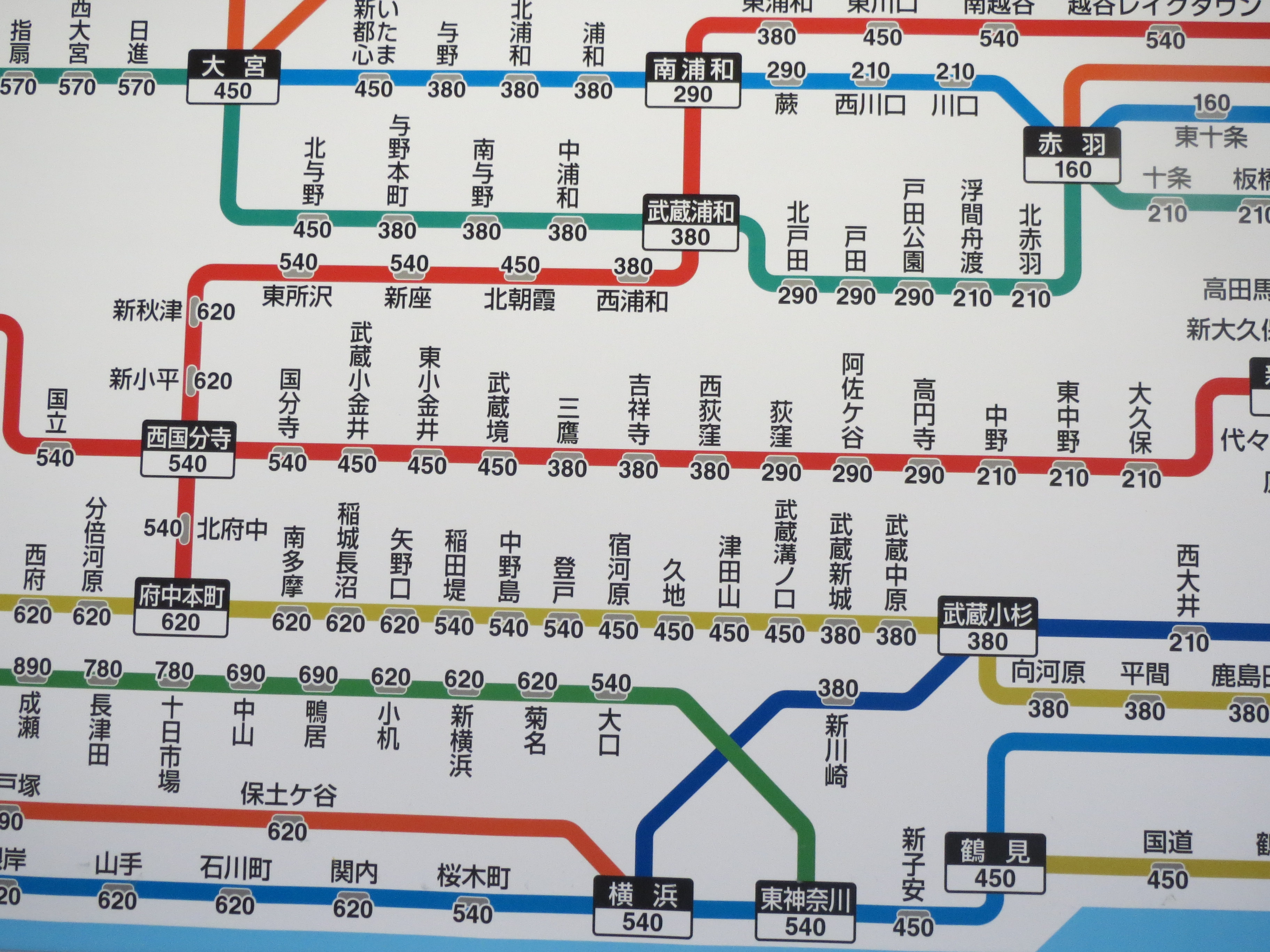
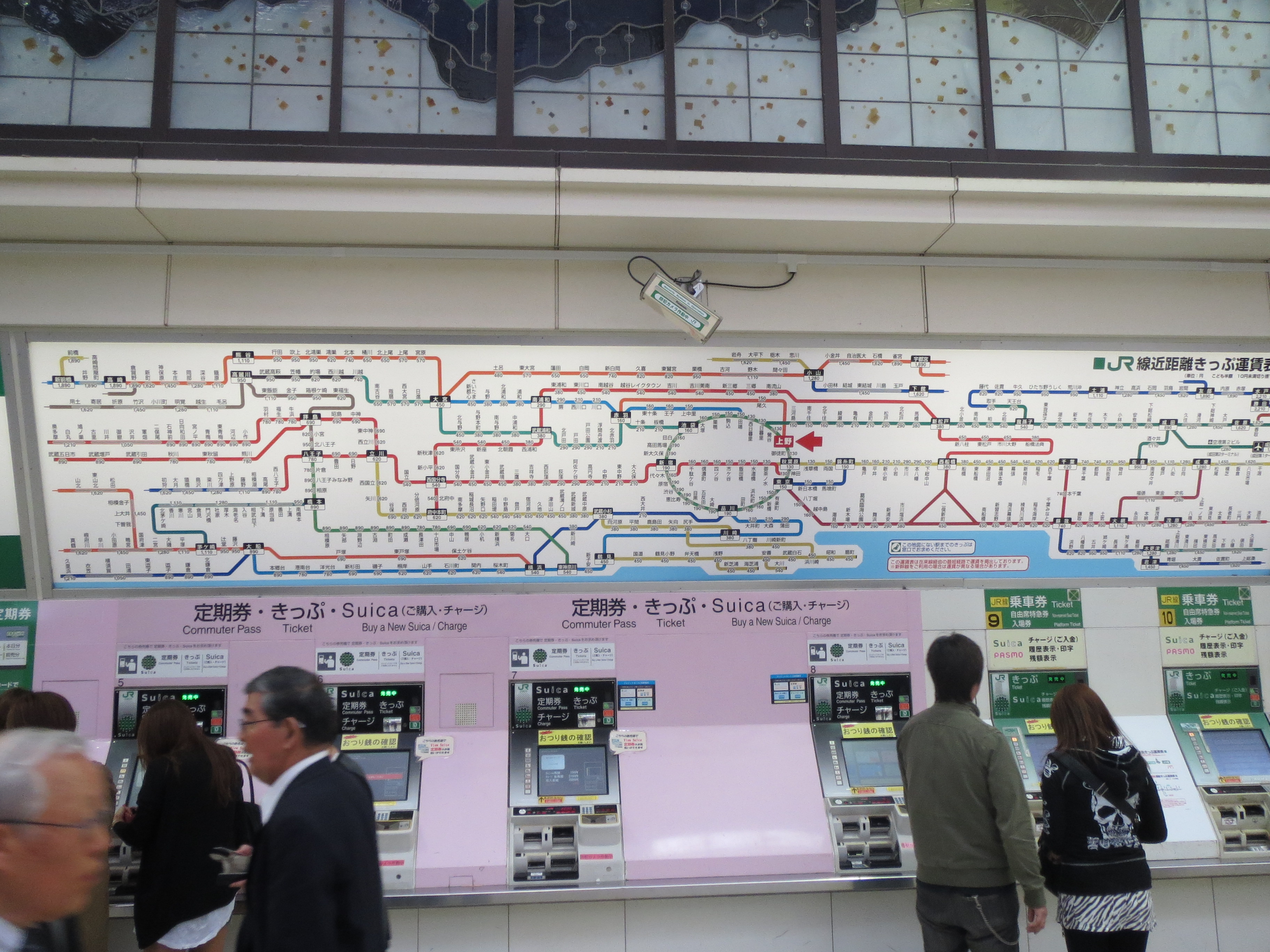
I recounted how I overcame my fear of  Tokyo’s challenging, sprawling subway over the weeks and marveled at my ability to get around with more confidence.  I never had a problem with New York City’s “grid-like” mass transit system where I lived for 18 years.  However, in contrast Tokyo’s web of meandering train lines was much more intimidating.  First of all, the signage is written in Japanese  with English translations listed underneath or flashed across screens.  Secondly, although English subway maps are available, you really need to study it before you head out because many stops on local routes aren’t indicated and you need to know the final destination of that specific train line.  For example, Sangenjaya is an unmarked stop on the Den-en-toshi Line with Chuo-rinkan being the final stop. At first, I was only traveling from Gotanda to Shibuya and then transferring to Sangenjaya—I would only venture further out on the train when I was taken on outings.  Nevertheless, Soufflar gave me some advice that would prove invaluable in helping me navigate around the subway–stick to the JR Line which forms a loop around the city and then take connecting routes from that line.  In addition, the city’s major subway stops—Ueno, Ikebukuro, Shinjuku, Shibuya, Shimbashi & Tokyo are strategically positioned on this circle. This advice worked out perfectly for me. I should also note that the trains are punctual and the courteous nature of the Japanese extends to the subway where people line up single file to enter the train, even during rush hour. Yes you do get packed in by subway attendants if its busy, but you have to line up first.

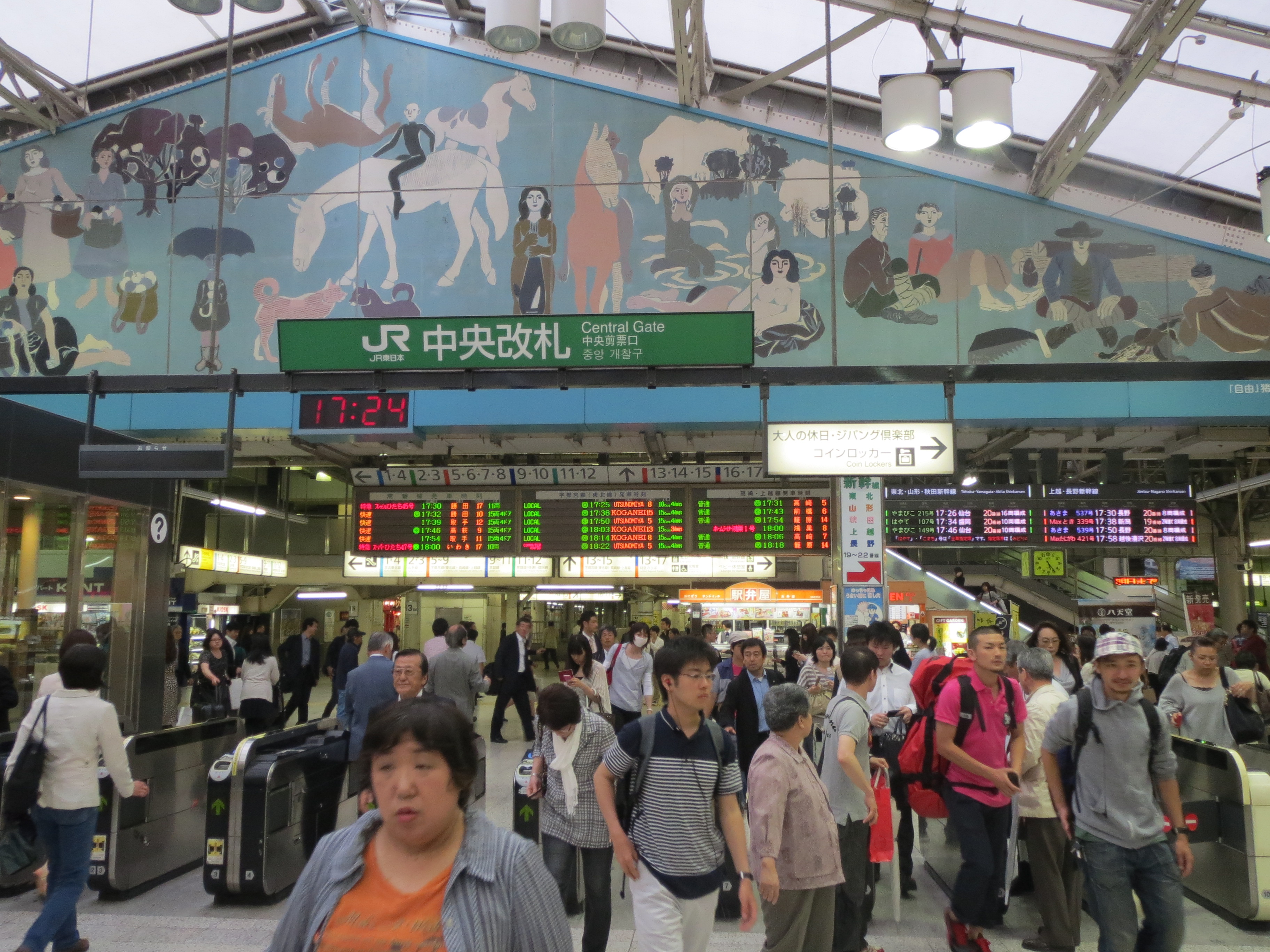
Ueno Station

Ueno StationShibuya Station

10:00 p.m. Shibuya Station

A Trip to Kamakura with Tomoko Kawahara

This slideshow requires JavaScript.

Friday of that week, June 29, Tomoko Kawahara took me to Kamakura–we had been working so hard during the training that we never had time to spend any social time together. Many people had mentioned that I would like Kamakura, a seaside community that features nearly forty shrines and temples, notably the Great Buddha of Kamakura. We took a number of trains there and  finally ended up approximately an hour outside of Tokyo. Once there we paid for a trolley to take us to the local spots. Our first stop was an organic restaurant on Yuigahama Beach for a lunch of tempeh with tomato sauce, and assorted vegetarian dishes.

After walking on the beach we strolled up to the view the Great Buddha at the Kotoku-in Temple.  As usual, before entering the grounds you cleanse at a purification fountain and then proceed. There seemed to be hundreds of people on the Temple grounds on this hot, sunny day. The Great Buddha of Kamakura (Daibutsu) is massive (13.35 meters/43.8ft tall  and weighs approx. 93 tonnes/270,000 lbs).  It is one of the most famous icons of Japan as well as its tallest bronze Buddha and I was very impressed that this icon has existed on this site unharmed since the 1252.  The original Buddha was made out of wood in 1243 and later destroyed and the various halls that housed the Buddha over the centuries succumbed to various natural disasters.   The current bronze statue was cast to replace it and may have been gilded which would have a magnificent sight to see. The statue is hollow and Tomoko said that it is believed that “going inside the Buddha will let you start a new.”  At first I wasn’t sure–I couldn’t imagine walking through the Buddha in the heat with dozens of school children.  However,  I said, “I am returning to L.A.  and could use a new start, let’s go inside.”

From there we strolled along a cheerful, quaint street through  town, passing a small temple, Shū Genji, which was built to commemorate Shijokingo a faithful believer of the religion Nichiren who was persecuted in 1271.  This temple, a former residence made of wood was modest in size surrounded by a brushy garden.

After a quick snack of  matcha  gelato we took the trolley to another stop nearby to see the hilltop Jojuin Temple (c. 1219),  surrounded by 262  pale blue, lavender, pink & white hydrangea bushes on a slope overlooking the ocean.  Jojuin is also referred to as the “Hydrangea Temple” and we were fortunate to be there for peak blooming season.  “262” is the number of Chinese characters used in Hannya-shingyo Sutra. 108 steps lead up to the temple–“108” is the number of tolling bells on New Years eve. The temple grounds had various statues commemorating prominent Buddhist priests associated with this compound.

As we walked toward the train station, we stopped by the Gokurakuji Temple which was built-in Fukazawa in 1259 by the Buddhist priest Ryokanbo Ninsho and then moved to Kamakura around 1262. After and  crouching down to enter the wooden gate we walked down a shaded path toward a very interesting complex  of ornately carved wooden structures.

From there we took the trolley back to the train station and transferred to a bus that would weave its way through Kamakura to the amazing Hokokuji Temple.  Founded by Tengan Eko (Buddhist name Butsujo-Zenji) who was a representative of the Zen literary movement known as Gozan Bungak, this sanctuary flourished as the family temple of both the Ashikaga and Uesugi clans.  A magical and vast  garden of 2,000 Mōsō Bamboo trees dominates the property which is the reason why this complex is commonly referred to as the “Bamboo Temple.”    We decided to rest for a while at the tea house (Kyūkōan) and had fresh matcha tea under a canopy of bamboo overlooking a small waterfall.  A leisurely tour of the temple grounds revealed surprising highlights:  carved stone reliquaries, statues decorated with red hats, deep blue tinged hydrangea, a cave of tombs (Yagura), and a thatched roof bell tower.

Once back at the train station, I saw  trees decorated with colorful ribbons of paper and origami. I can’t remember the specific story associated with the decorated trees that Tomoko told me, but they were delightful and whimsical, so I took a picture.

In all, we saw five temples that day and it would take several trips to see them all.  I asked Tomoko what the difference was between a “temple” and “shrine” and with a little more investigation I found that one is “Buddhist “and the other “Shinto.” “Shinto” (Kami Nomchi—“the way of the Gods”) is a religion indigenous to Japan that worships nature. Originally people prayed to the great natural phenomena such as mountains, wind,rain, trees, rivers, fertility and powerful deities that inhabit heaven and earth.  Distinguishing characteristics of “Shinto Shrines”–are a Tori Gate, such as the grand ones featured at the Meiiji Shrine. In addition, there is a purification fountain near the entrance to cleanse your mouth and hands before prayer.

“Buddhism”  (Bukkyō) made its way into Japan in the 6th century via China and Korea. Predominant details of “Budhhist Temples” are:  the presence of the color red as evident with the Senso-ji Temple ( or a red gate (Yukuimon) and other items); an image of Buddha; and a large incense burner placed in front of the temple. Smoke created by the burning of incense is said to have healing properties. In addition, a pagoda is on the premises.

My trip to Kamakura was the perfect final sightseeing adventure to summarize my experiences in Japan and I ‘m no expert on the subject, but I could see first hand that influences of Shinto are pervasive in almost every aspect of Japanese life and culture–the naturalness of the structures, food and even clothing; respect for people, animals and towards all living things; traditions and celebrations.  Furthermore, there is relatively little crime in Japan and people are generally good spirited and very kind. Nevertheless,  these two religions—Shinto and Buddhism–coexist and complement each other which creates a harmonious balanced life.